

Artistic expression plays a crucial role in the holistic development of students. By integrating art into the school curriculum, educators can foster creativity, enhance emotional intelligence, and improve academic performance. This article explores the importance, benefits, and strategies for promoting artistic expression in schools, while also addressing the challenges and future trends in art education.
Key Takeaways
Artistic expression fosters creativity and innovation, essential skills for the 21st century.
School arts programs boost student engagement and improve mental health.
Effective strategies for promoting art education include integrating art across the curriculum and providing access to diverse art supplies.
Overcoming challenges such as budget constraints and gaining administrative support is crucial for successful art program implementation.
Future trends in art education emphasize incorporating technology, cultural diversity, and sustainable practices.
The Importance of Artistic Expression in Schools
Artistic expression in schoolsis a powerful form of self-expression. By teaching students to express themselves through drawing, painting, or music, it opens up new ways for them to communicate and understand the world around them.Art education importancecannot be overstated, as it plays a pivotal role in the holistic development of students.
Fostering Creativity and Innovation
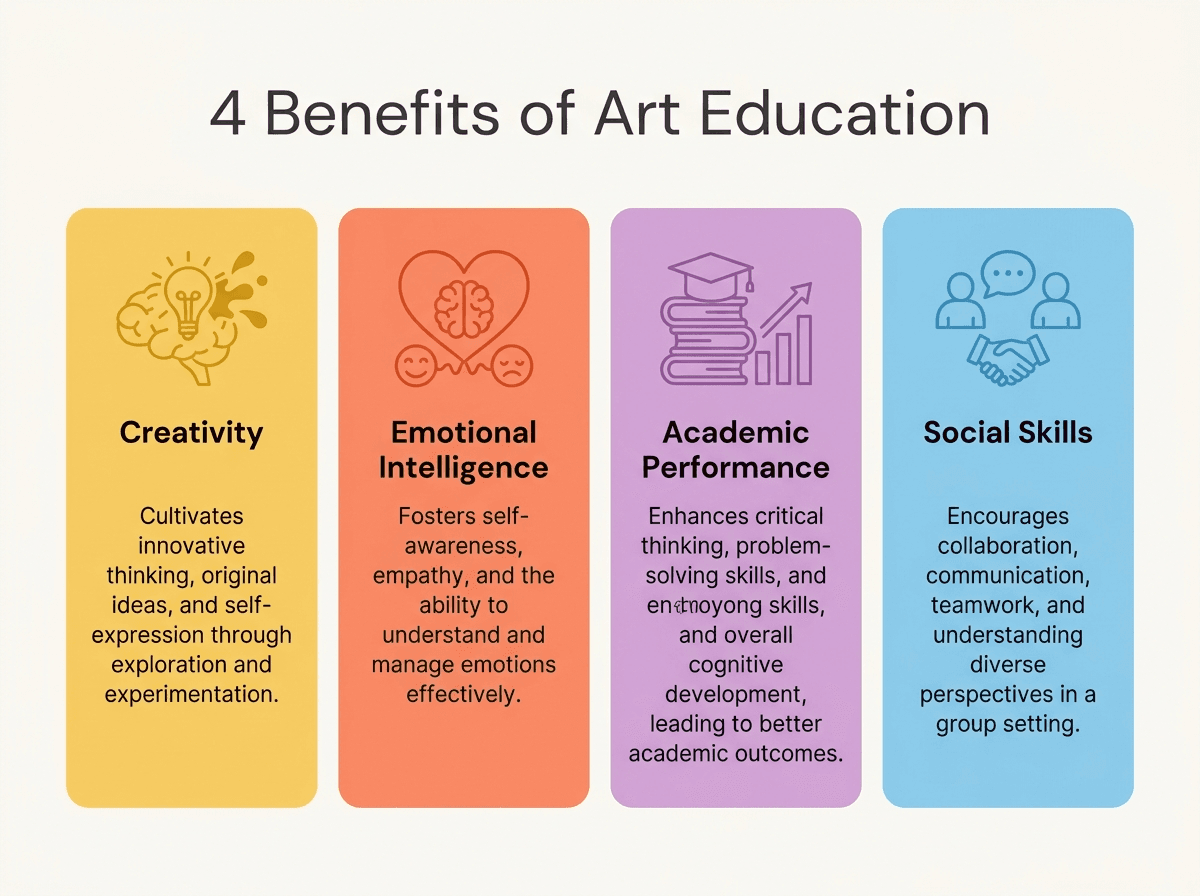
Encouraging creativity in students is essential for their overall growth. Art offers a unique platform for students to explore their imagination and think outside the box. This not only enhances their creative skills but also promotes critical thinking and problem-solving abilities.
Building Emotional Intelligence
Creative expression benefits students by helping them understand and manage their emotions. Through various forms of art, students can explore their feelings and develop empathy, leading to improved emotional intelligence.
Enhancing Academic Performance
Studies have shown that integrating creative arts in schools can lead to better academic performance. Art education encourages students to engage more deeply with their studies, resulting in improved focus and retention of information.
Key Benefits of School Arts Programs
Boosting Student Engagement
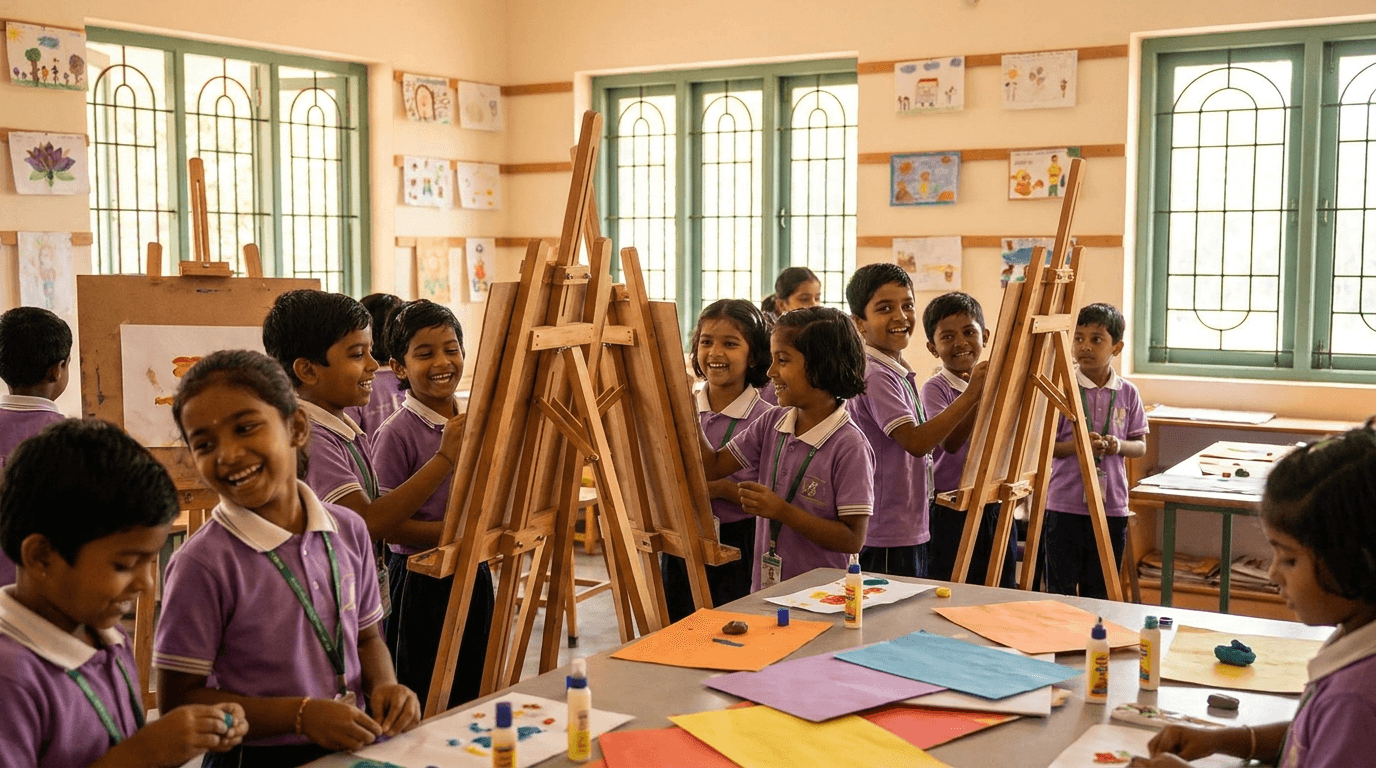
Benefits of art educationinclude significantly boosting student engagement. When students participate in school art activities, they often feel more connected to their school environment. This connection fosters a sense of belonging and investment in their overall education.
Improving Mental Health
Participating in arts programs can have a profound impact on students’ mental health. Creative activities provide an outlet for students to process emotions, take risks, and think imaginatively. This sense of accomplishment and meaning contributes to their overall wellbeing.
Encouraging Social Skills
Arts and education benefits extend to social skill development. Through collaborative projects and performances, students learn to communicate effectively, work as a team, and appreciate diverse perspectives. These skills are invaluable both inside and outside the classroom.
Effective Strategies for Promoting Art Education
Promoting art in schools is essential for fostering student creativity and enhancing creativity in education. Here are some effective strategies to achieve this goal.
Integrating Art Across the Curriculum
One of the most effective art education strategies is to integrate art into various subjects. This approach not only makes learning more engaging but also helps students see the connections between different fields of study. For example, students can create visual representations of historical events in a history class or use artistic techniques to explain scientific concepts.
Providing Access to Diverse Art Supplies
Ensuring that students have access to a wide range of art supplies is crucial for encouraging student artists. Schools should invest in diverse materials such as paints, clay, textiles, and digital tools. This variety allows students to explore different mediums and find their unique artistic voice.
Encouraging Collaborative Art Projects
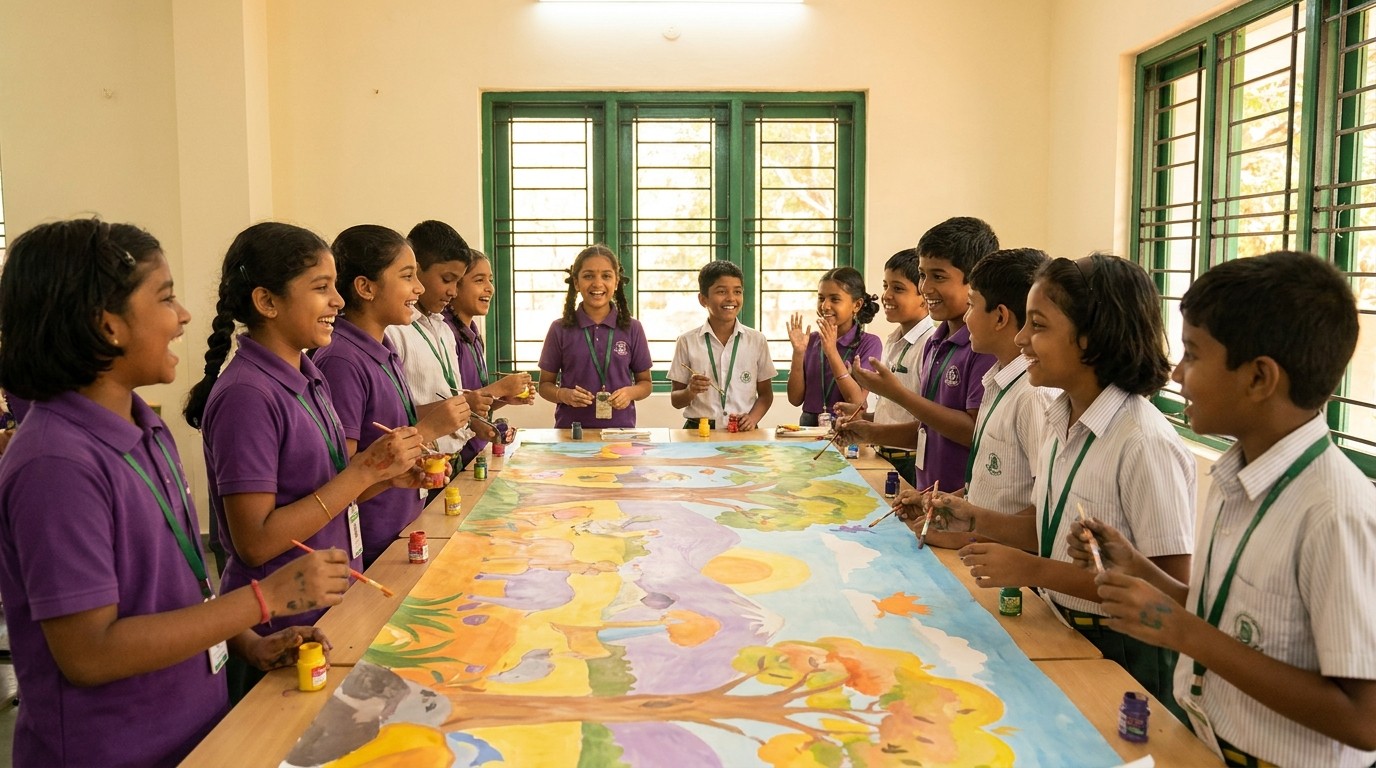
Collaborative art projects for students can significantly boost their social skills and teamwork abilities. These projects can range from group murals to community art installations. Working together on art projects helps students learn to communicate, share ideas, and appreciate different perspectives.
Overcoming Challenges in Implementing Art Programs
Implementing art programs in schools can be a rewarding yet challenging endeavor. Here are some strategies to address common obstacles.
Addressing Budget Constraints
One of the most significant challenges is securing adequate funding.Advocating for adequate funding and resource allocationis crucial. Schools can explore community partnerships, grants, and fundraising events to support their art programs. Additionally, integrating arts in the curriculum can help justify the budget by showing its impact on overall student development.
Gaining Administrative Support
Administrative support is essential for the success of art programs. Educators should present data and case studies that highlight the benefits of art education, such as improved academic performance and emotional intelligence. Building a strong case can help in gaining the necessary backing from school leaders.
Engaging Reluctant Students
Engaging students who are initially reluctant to participate in art activities can be challenging. Using arts integration techniques can make art more accessible and enjoyable. Collaborative projects and allowing students to explore different mediums can also help in capturing their interest.
Success Stories: Schools Thriving with Art Education
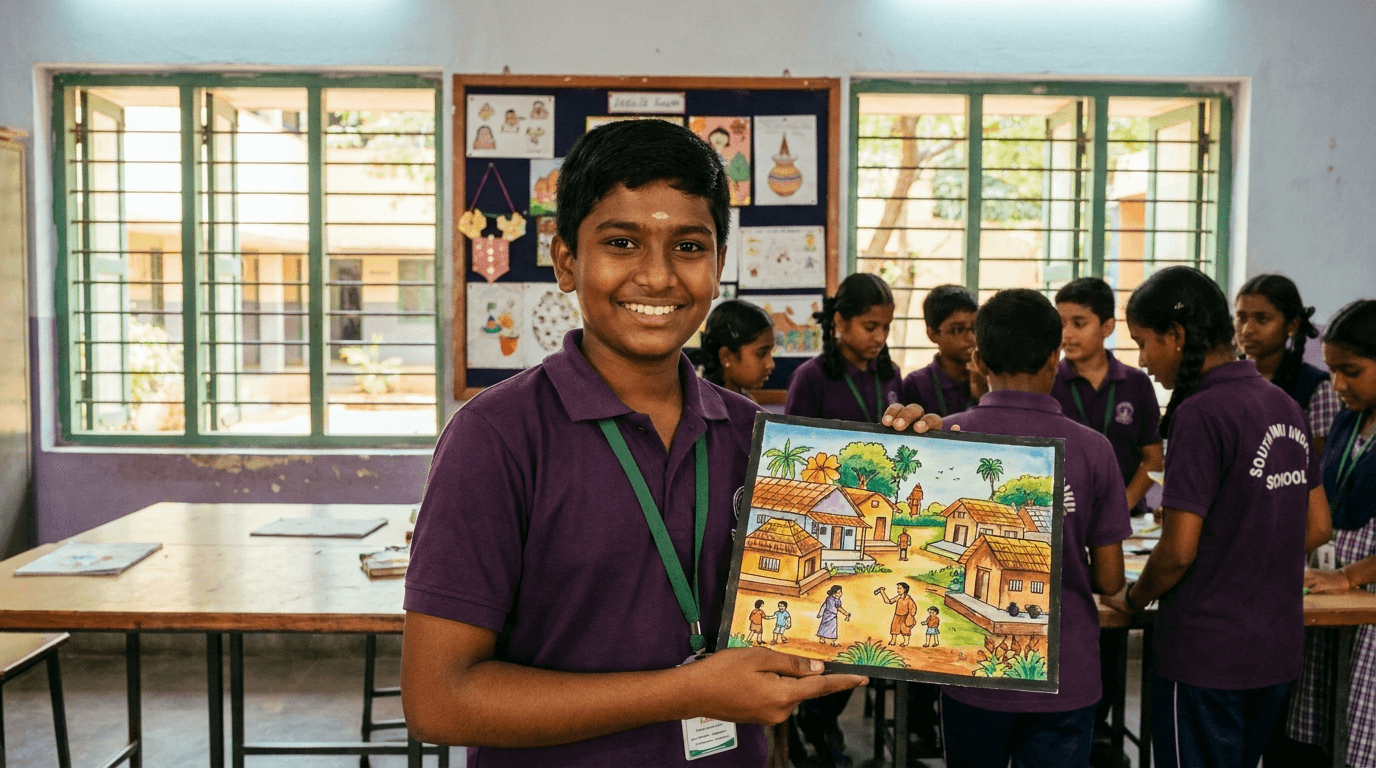
At the National Centre for Excellence (NCFE) in Bangalore, art education is a cornerstone of a holistic approach that empowers students to excel beyond academics. Students and teachers often share how these programs have boosted creativity, confidence, and overall academic performance. As one student put it, “The art classes have not only improved my artistic skills but also my ability to think critically and solve problems creatively.”
Schools that introduce structured art programs frequently report measurable gains — academic performance rising from around 75% to 85%, emotional well-being from 60% to 80%, and student engagement from 70% to 90%. These outcomes illustrate the transformative power of art education in fostering well-rounded, successful individuals.
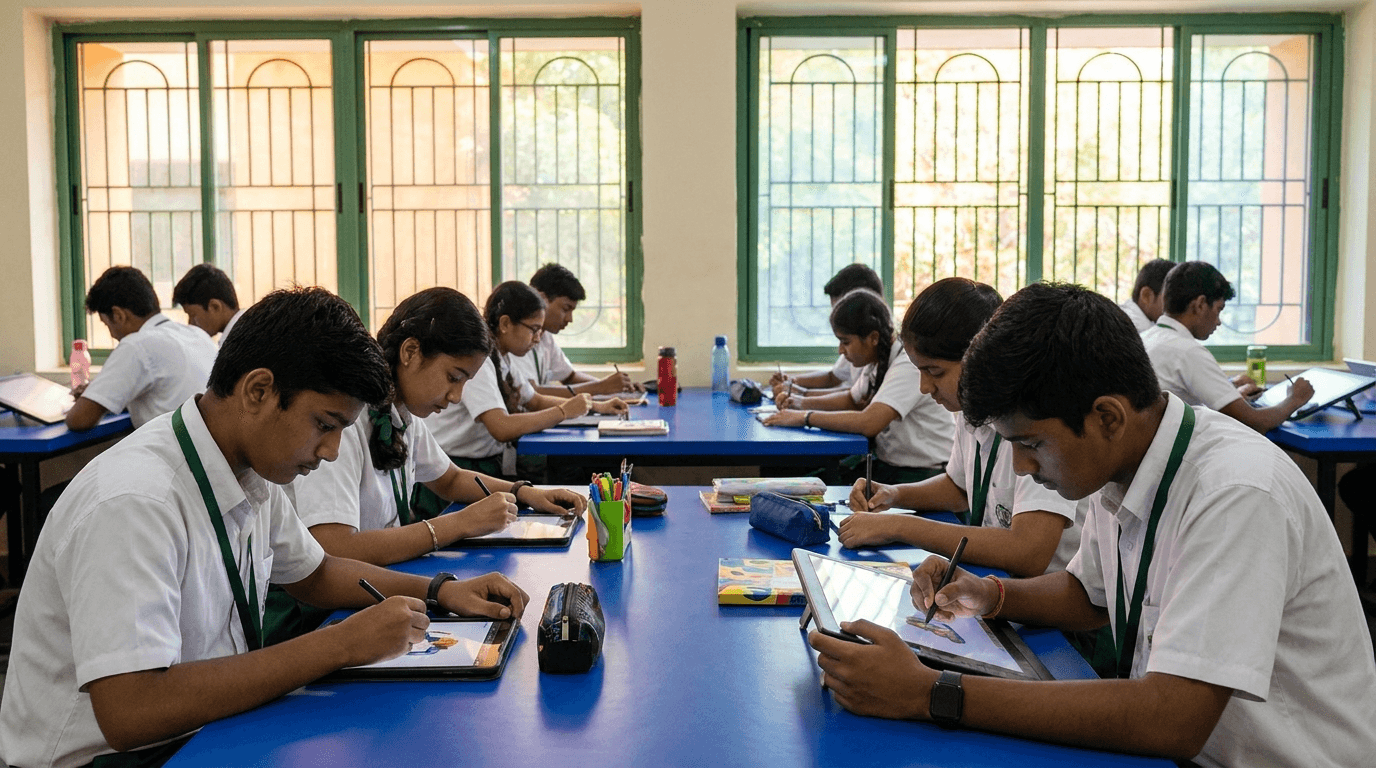
Future Trends in Art Education
Art education is an integral part of a comprehensive curriculum that fosters creativity, critical thinking, cultural awareness, collaboration, and emotional well-being. The future of art education is evolving rapidly, with innovative approaches and technologies transforming the way we learn and create. At NCFE, we are at the forefront of this evolution, offering a curriculum that integrates STEM with the arts to ensure a holistic and enriching educational experience.
Conclusion
Incorporating artistic expression into school curriculums offers a multitude of benefits for students, from enhancing creativity and critical thinking to fostering emotional well-being and social connections. By integrating diverse and imaginative art projects, educators can create an engaging and inclusive learning environment where every student feels valued and inspired. Encouraging artistic expression not only enriches students’ educational experiences but also equips them with essential life skills, preparing them to navigate the complexities of the world with confidence and empathy.
Frequently Asked Questions
Why is artistic expression important in schools?
Artistic expression in schools is crucial for fostering creativity and innovation, building emotional intelligence, and enhancing academic performance. It allows students to explore their identities, express their emotions, and develop critical thinking skills.
How do school arts programs benefit students?
School arts programs boost student engagement, improve mental health, and encourage social skills. They provide an outlet for stress relief, promote a sense of community, and help students develop empathy and communication skills.
What strategies can be used to promote art education effectively?
Effective strategies for promoting art education include integrating art across the curriculum, providing access to diverse art supplies, and encouraging collaborative art projects. These approaches make art a fundamental part of the learning process.
What are the common challenges in implementing art programs in schools?
Common challenges include addressing budget constraints, gaining administrative support, and engaging reluctant students. Overcoming these challenges requires creative solutions, advocacy, and demonstrating the value of art education to stakeholders.
What are the future trends in art education?
Future trends in art education include incorporating technology in art, emphasizing cultural diversity, and focusing on sustainable art practices. These trends aim to make art education more inclusive, relevant, and environmentally conscious.


