

Hands-on learning, particularly in science labs, plays a crucial role in modern education. By engaging students in active experimentation and discovery, science labs not only enhance conceptual understanding but also foster essential skills such as critical thinking, collaboration, and problem-solving. This article explores the multifaceted benefits of hands-on learning through science labs and provides insights into their effective implementation in schools.
Key Takeaways
Hands-on learning significantly enhances student engagement and interest in science subjects.
Science labs help improve students’ conceptual understanding and retention of scientific principles.
Collaborative experiments in labs foster teamwork and communication skills among students.
Effective science labs integrate technology and prioritize safety to maximize learning outcomes.
Overcoming challenges such as resource limitations and teacher training is essential for successful hands-on science education.
The Role of Hands-On Learning in Science Education
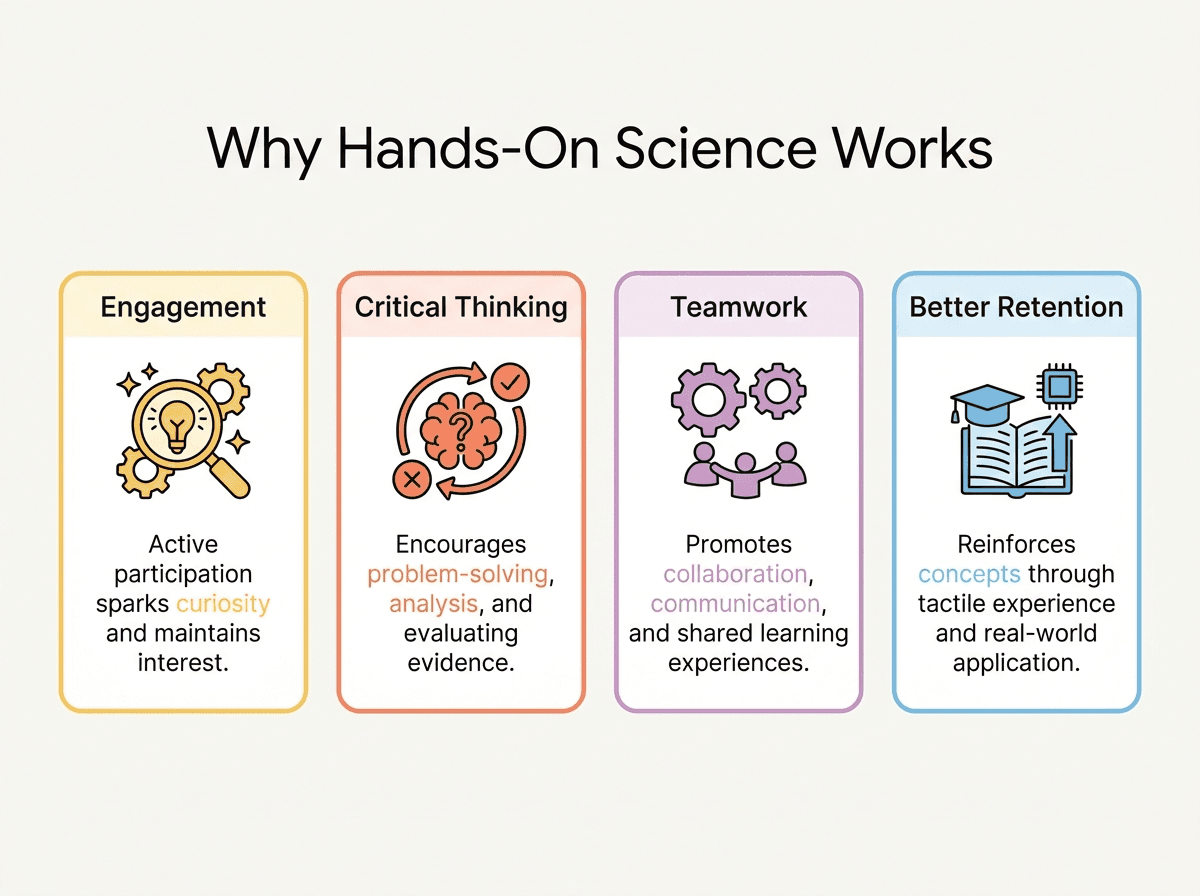
Hands-on learning is more than just a way to get students to experiment with science equipment. This approach is proven to increase student engagement and understanding of scientific concepts. It makes science more inclusive and accessible for different learning styles. While some students excel at textbook concepts, others thrive when given the chance to manipulate materials themselves. The hands-on scientific process nurtures the thinkers and innovators of tomorrow.
Enhancing Student Engagement
Hands-on learning is a powerful tool for enhancing student engagement. When students actively participate in experiments, they are more likely to be interested and invested in the subject matter. This active learning helps to unlock curiosity and potential in students, making learning interactive and tangible.
Fostering Critical Thinking Skills
Experiential learning in science encourages students to think critically and solve problems. By engaging in experiments, students learn to formulate hypotheses, conduct tests, and analyze results. This process helps to develop their critical thinking skills, which are essential for success in science and other disciplines.
Encouraging Collaboration and Teamwork
Science labs provide an excellent opportunity for students to work together and learn from each other. Collaborative experiments encourage teamwork and communication, which are important skills for both academic and personal growth. Through learning by doing, students can share ideas, troubleshoot problems, and achieve common goals together.

Benefits of Science Labs for Students
Improving Conceptual Understanding
Science lab experiments provide a tangible way to grasp complex scientific concepts. By engaging directly with materials and observing phenomena firsthand, students can bridge the gap between theoretical knowledge and real-world application. This hands-on approach is particularly effective in making abstract ideas more concrete and understandable.
Boosting Retention and Recall
Active participation in science lab experiments significantly enhances students’ ability to retain and recall information. When students are involved in the process of discovery, they are more likely to remember the concepts and procedures they have learned, because the act of doing reinforces memory far more effectively than passive learning methods.
Developing Practical Skills
The importance of science labs extends beyond academic knowledge. These environments are crucial for developing practical skills that are essential for future careers in STEM fields. Students learn how to use scientific equipment, follow experimental procedures, and analyze data. These skills are valuable not only in scientific careers but also in everyday problem-solving and critical thinking.
Implementing Effective Science Labs in Schools
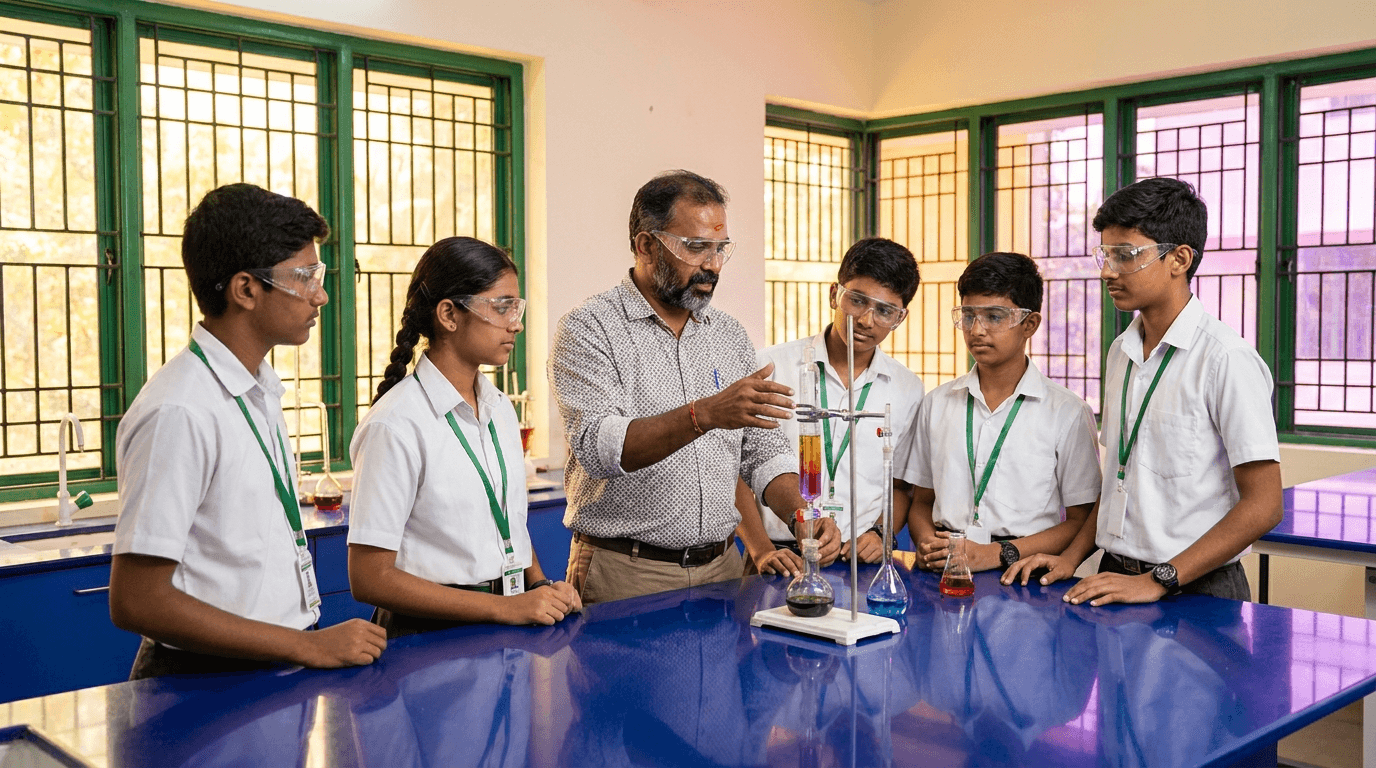
Implementing effective science labs is crucial for fostering a deep understanding of scientific concepts and enhancing student engagement. Science labs provide a dynamic environment where theoretical knowledge meets practical application, making learning both exciting and meaningful. The National Centre for Excellence (NCFE) has been instrumental in promotingeffective science lab practices, ensuring that students gain hands-on experience essential for their academic growth.
Designing Engaging Experiments
Designing engaging experiments is a cornerstone of an effective science lab curriculum. Teachers should focus on creating activities that not only align with the curriculum but also captivate students’ interest. For instance, rather than just reading about chemical reactions, mixing household items to create bubbling lava lamps allows students to see scientific principles in action.
Ensuring Safety in the Lab
Safety is paramount in any science lab. Schools must establish comprehensive safety protocols to protect students and staff. This includes proper training for teachers, regular safety drills, and ensuring that all safety equipment is up to date and accessible. NCFE emphasizes the importance of safety in its guidelines, ensuring that lab-based learning is conducted in a secure environment.
Integrating Technology in Science Labs
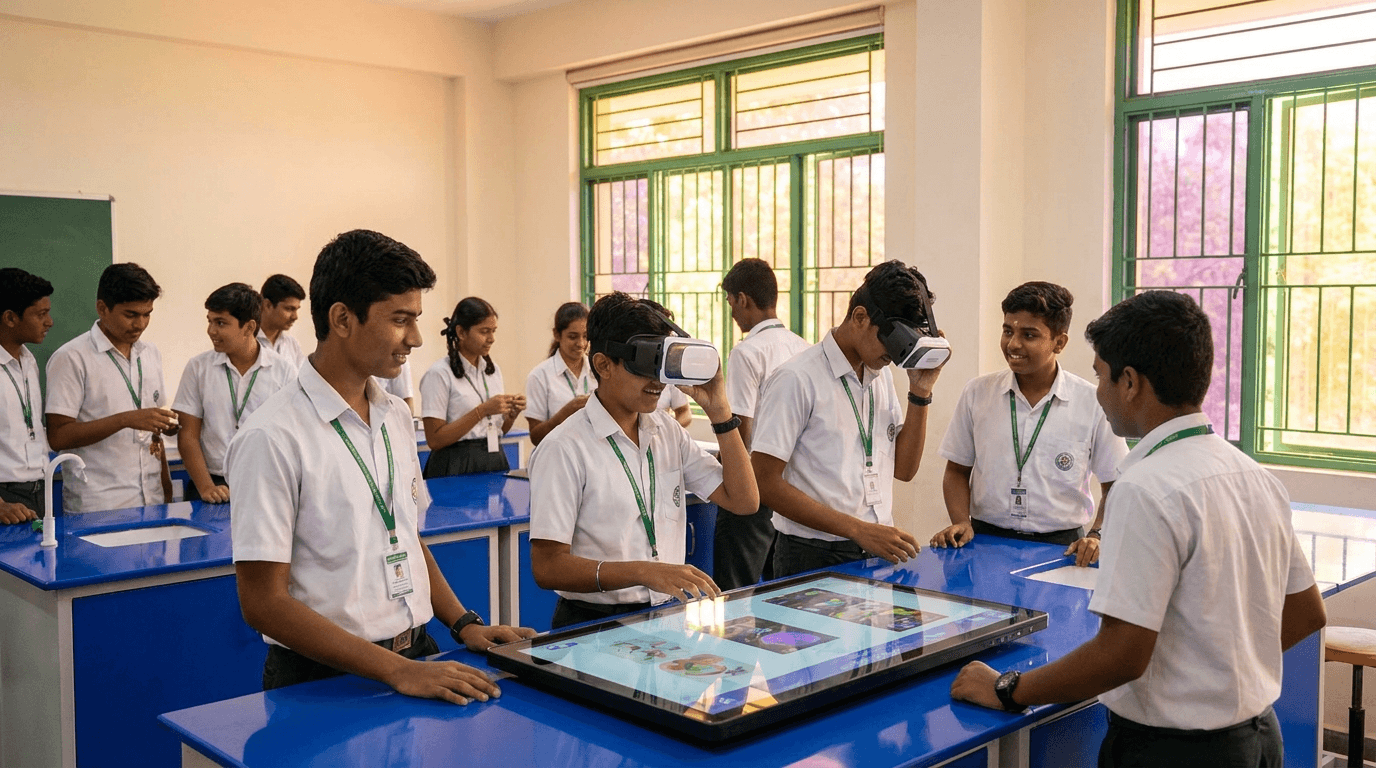
Integrating technology can significantly enhance the learning experience. Tools such as digital microscopes, data-logging software, and virtual simulations can provide students with a deeper understanding of complex scientific concepts. The use of technology also allows for more interactive and engaging experiments.
Challenges and Solutions in Hands-On Science Education
Interactive science educationoften faces resource constraints, especially in under-funded schools. To address this, schools can focus on using everyday household items for experiments and emphasize creative re-purposing of materials. This approach not only makes science more accessible but also encourages students to think outside the box.
Effective hands-on science activities require well-trained teachers. Schools should invest in regular professional development and in-service training programs. These programs help teachers become more comfortable with practical science education and equip them with the skills needed to manage a dynamic classroom environment.
Assessing the outcomes of practical science education can be challenging. Schools can incorporate formative assessments through performance tasks that gauge student understanding in real time. This method provides immediate feedback and helps in adjusting teaching strategies to better meet student needs.

Case Studies: Success Stories of Hands-On Science Labs
Elementary schools have embraced hands-on science labs to foster early interest in science. At NCFE, young students engage in real-world science applications through simple yet effective experiments. These activities make learning fun and lay a strong foundation for future scientific understanding.
High schools have taken hands-on learning to the next level. NCFE’s advanced science labs allow students to conduct complex experiments, enhancing their critical thinking and problem-solving skills. The use of robotics labs has been particularly transformative, providing students with practical experience in cutting-edge technology.
NCFE also extends hands-on learning beyond the classroom. Community projects and extracurricular activities offer students additional opportunities to apply their scientific knowledge in real-world scenarios, often involving collaboration with local organizations.
Future Trends in Hands-On Science Education
Virtual and Augmented Reality Labs
The integration of virtual and augmented reality (VR/AR) in science education is revolutionizing the way students interact with scientific concepts. These technologies provide immersive experiences that make abstract concepts tangible. For instance, students can explore the human body in 3D or simulate chemical reactions in a safe, controlled environment.
Interdisciplinary Approaches
Innovative science teaching increasingly incorporates interdisciplinary approaches, blending subjects like mathematics, engineering, and technology with traditional science education. This holistic approach helps students see the connections between different fields and apply their knowledge in a more integrated manner.
Sustainable and Eco-Friendly Experiments
As awareness of environmental issues grows, there is a significant push towards sustainable and eco-friendly experiments in science labs. Schools are adopting practices that minimize waste and use renewable resources, teaching students the importance of sustainability.
Conclusion
In conclusion, hands-on learning through science labs is an indispensable component of modern education. By actively engaging students in the scientific process, we not only enhance their understanding of complex concepts but also foster essential skills such as critical thinking, collaboration, and problem-solving. Students who participate in hands-on science activities show improved academic performance, greater enthusiasm for learning, and a deeper connection to the material. Embracing a culture of hands-on experimentation will nurture the innovators and thinkers of tomorrow.
Frequently Asked Questions
What is hands-on learning in science education?
Hands-on learning in science education involves active participation in experiments and activities that allow students to directly engage with scientific concepts and materials.
How do science labs enhance student engagement?
Science labs enhance student engagement by providing interactive and practical experiences that make learning more interesting and enjoyable. Students are more likely to be curious and enthusiastic about science when they can see and do it themselves.
What are the benefits of hands-on science labs for students?
Hands-on science labs improve conceptual understanding, boost retention and recall, and develop practical skills. They also foster critical thinking, collaboration, and problem-solving abilities.
How can schools implement effective science labs?
Schools can implement effective science labs by designing engaging experiments, ensuring safety in the lab, and integrating technology. Proper training for teachers and adequate resources are also crucial.
What are some challenges in hands-on science education?
Challenges include resource limitations, the need for teacher training, and assessing hands-on learning outcomes. Solutions involve securing funding, providing professional development, and using diverse assessment methods.
What future trends are emerging in hands-on science education?
Future trends include the use of virtual and augmented reality labs, interdisciplinary approaches, and sustainable, eco-friendly experiments.


