

In this article, we will explore innovative and captivating classroom ideas that will spark the imaginations of young learners. From interactive sensory stations to vibrant reading corners, these ideas are designed to foster exploration, inspire curiosity, and promote a love of learning. Whether you’re a seasoned teacher looking to revamp your classroom or a new educator ready to embark on this exciting journey, these creative concepts will enhance the overall atmosphere of your classroom and engage students in meaningful ways.
Key Takeaways
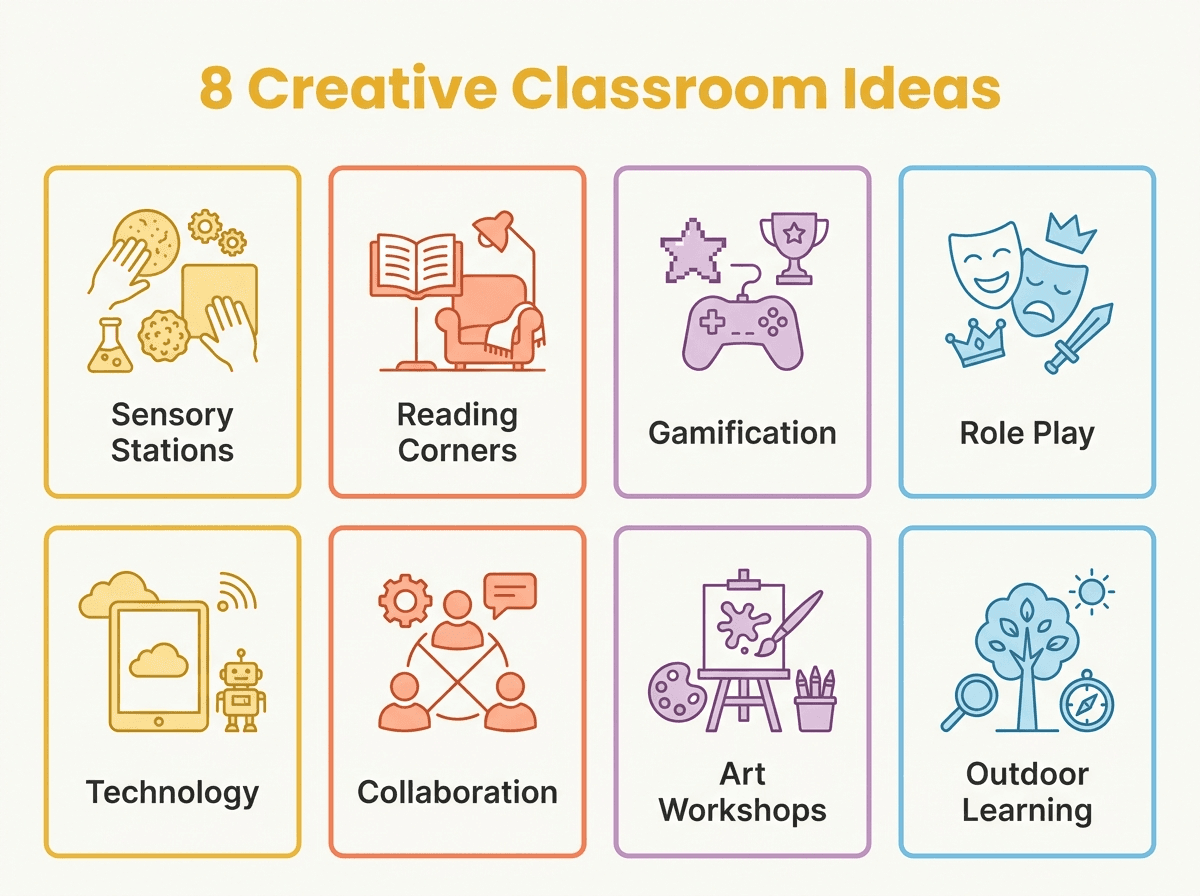
Interactive sensory stations can create a multi-sensory experience that enhances learning and development.
Vibrant reading corners with diverse literature can encourage independent reading and foster a love for books.
Gamification in education makes learning fun and engaging, increasing student participation and motivation.
Role play and simulations bring lessons to life, helping students develop empathy and social skills.
Incorporating technology, such as interactive whiteboards and virtual reality, can make lessons more dynamic and interactive.
Interactive Sensory Stations
Interactive sensory stations are a fantastic way to engage young minds and stimulate their senses. These stations can be set up in variouscorners and hands-on exploration zones, providing students with a variety of spaces to engage in different activities and stimulate their imaginations.

Vibrant Reading Corners
Creating a vibrant reading corner in your classroom can be a game-changer forstimulating young learners. These cozy nooks not only provide a quiet space for students to dive into their favorite books but also foster a lifelong love of reading.
Gamification in Education
Gamification in educationis the use of game dynamics, mechanics, and components in the classroom to increase student motivation and learning outcomes. By turning lessons into games, educators can make learning more engaging and enjoyable for students. Educational games for kids can transform traditional lessons into interactive experiences that capture students’ attention and foster a love for learning.
Role Play and Simulations
Bringing Lessons to Life
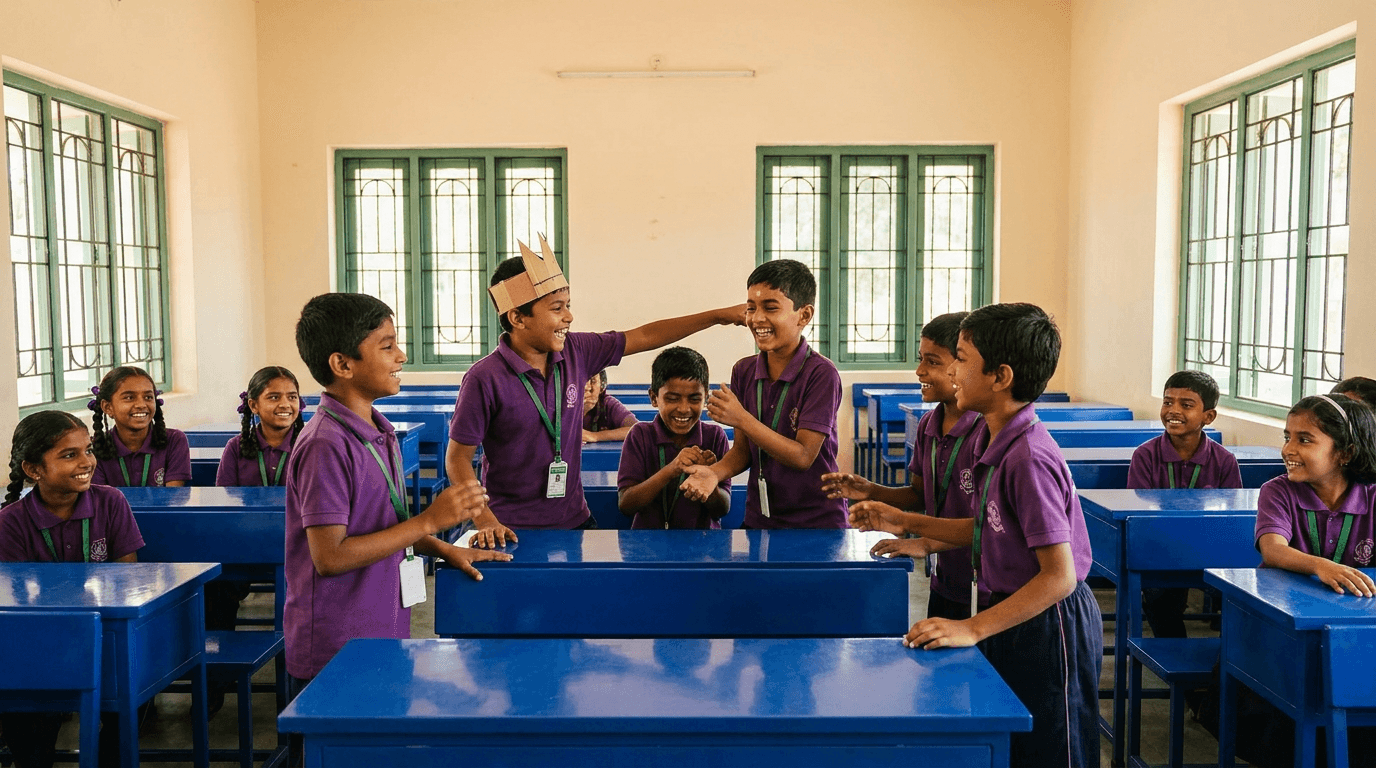
Role play and simulations are powerful tools to bring lessons to life. By stepping into different roles, students can explore various perspectives and understand complex concepts in a more engaging way. This method is effective for students of almost any age group, as it can be customized to suit their developmental stage. For instance, younger children might enjoy simple role plays, while older students can handle more intricate simulations.
Developing Empathy and Social Skills
One of the key benefits of role play is the development of empathy and social skills. When students take on different roles, they learn to see the world from another person’s viewpoint, which can foster a deeper understanding and respect for others. This practice is particularly useful in teaching social studies, literature, and even science, where understanding different perspectives is crucial.
Examples of Effective Role Play Activities
Here are some examples of effective role play activities:
Historical Reenactments: Students can reenact historical events to better understand the context and significance of these events.
Mock Trials: This can help students learn about the legal system and develop critical thinking and public speaking skills.
Business Simulations: These can be used in economics or business studies to teach students about market dynamics and decision-making processes.
Encouraging students to participate in role play activities can significantly enhance their learning experience and help them develop important life skills. Remember, theimportance of sports in holistic educationis emphasized through physical, mental, social, and emotional benefits.
Technology Integration
Integrating technology in the classroom can transform learning into an interactive and engaging experience. The National Centre for Excellence emphasizes the importance of leveraging modern teaching tools and technologies to enhance student engagement and facilitate creative lesson planning. When used effectively, tools like interactive whiteboards, tablets, and educational software help students become active participants rather than passive recipients of information.
Collaborative Learning Projects
Collaborative learning projectsare a fantastic way to engage students and foster a sense of teamwork and community in the classroom. These projects encourage students to work together, share ideas, and learn from one another, making the learning process more dynamic and interactive. Incorporating collaborative projects into your curriculum can lead to more meaningful and memorable learning experiences for students.
Art and Creativity Workshops
Incorporating Art into Various Subjects
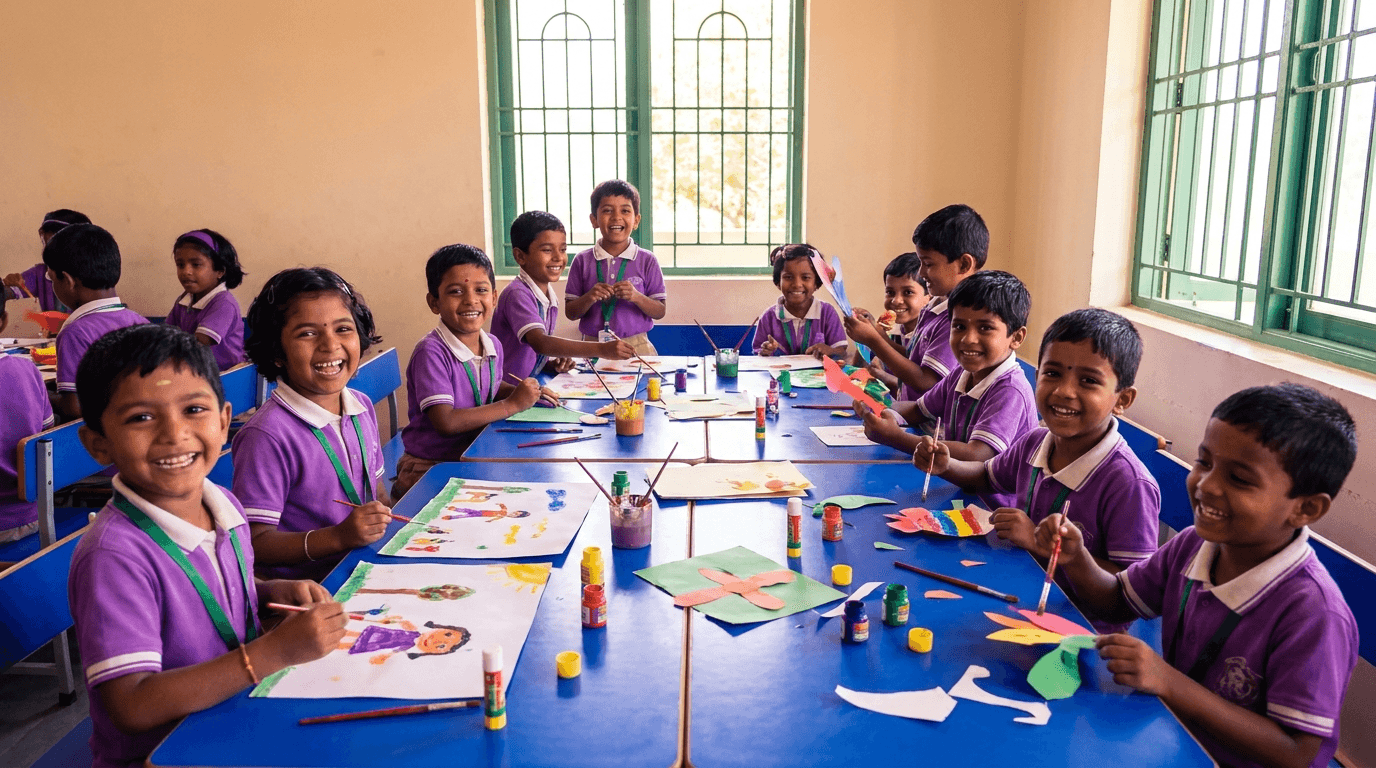
Arts and crafts are powerful tools for stimulating imagination and creativity in young children. Incorporating these activities into your daily routine can help your students develop their fine motor skills, express themselves, and think outside the box. Provide a variety of art materials, such as paints, markers, crayons, and clay, and encourage your students to experiment and explore. Set up an art corner with a variety of materials and allow your students to create freely. Display their artwork around the classroom tocelebrate their creativity and inspire others.
Benefits of Creative Expression
Art can help students develop creativity, critical thinking, and problem-solving skills. One way to incorporate art is to use visual aids, such as pictures or diagrams, to help explain complex concepts. Another way is to allow students to create art as a way to explore and express their understanding of a topic. This can be in the form of drawing, painting, sculpting, or even digital art. Encouraging students to collaborate on art projects can help them learn how to work together, communicate effectively, and build relationships with their peers.
Organizing Art Exhibitions
Fostering creativity can range from simple team-building exercises to complex, open-ended problems that may require a semester to solve. An instructor that presents innovative and challenging prompts will encourage students to work creatively through a problem to a solution. These creative techniques must be done in a supportive course environment with appropriate time allocated for exploration. Display student artwork around the classroom and school to celebrate their creativity and inspire others.
Outdoor Learning Experiences
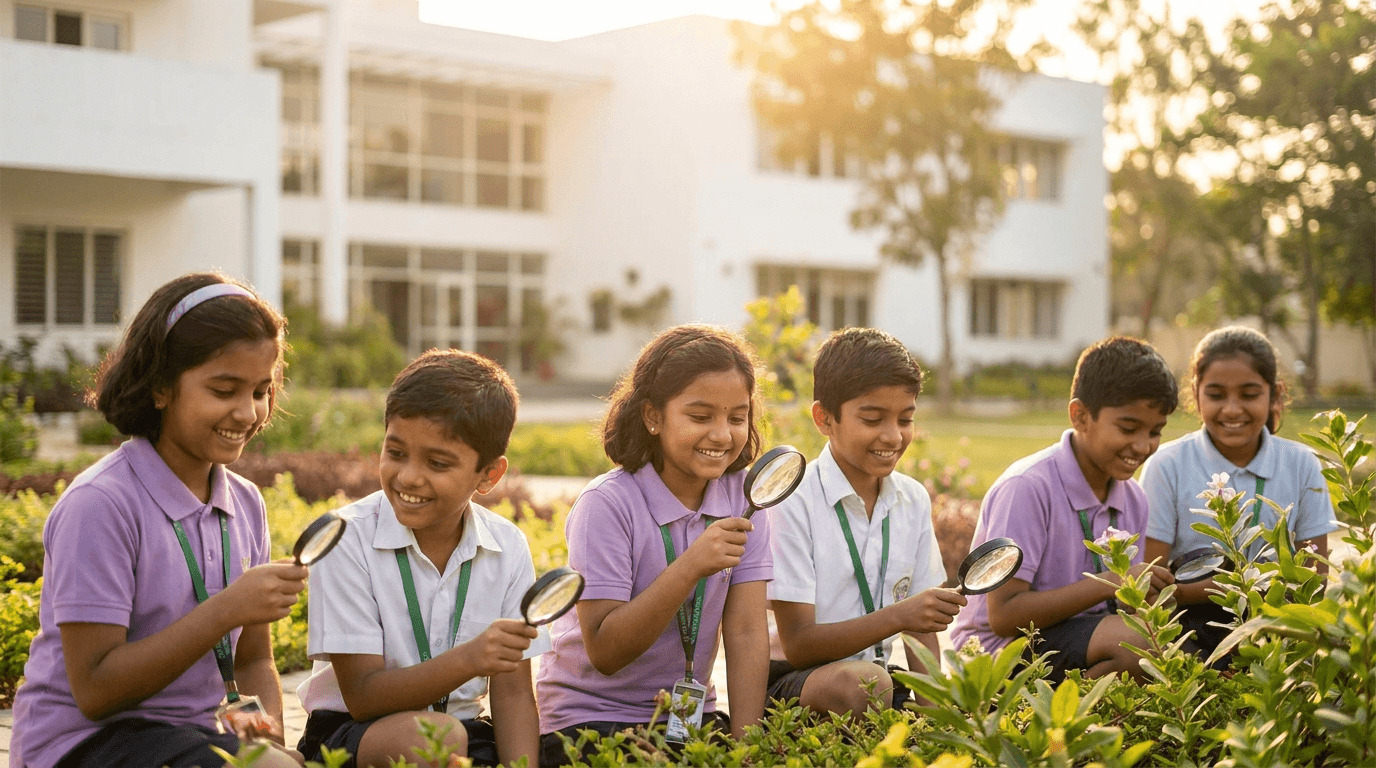
Outdoor learning experiences are a fantastic way to engage students and connect them with the natural world.Taking lessons outsidecan transform the traditional classroom into an inspiring learning environment, fostering curiosity and a sense of wonder.
Taking Lessons Outside
When the weather is nice, dedicate part of the day to hosting an outdoor classroom. Choose active, exploratory activities that can’t be done indoors. Consider setting up an outdoor project like a vegetable garden, which adds a whole new dimension to the learning environment.
Benefits of Nature-Based Learning
Nature-based learning offers numerous benefits, including:
Enhanced engagement and motivation
Improved physical health
Development of critical thinking and problem-solving skills
Increased environmental awareness and stewardship
Examples of Outdoor Activities
Here are some examples of outdoor activities that can inspire young minds:
Nature walks: Encourage students to observe and record their findings in nature journals.
Field trips: Plan visits to museums, zoos, or historical sites related to the learning subjects.
Outdoor play areas: Create spaces where students can explore nature, observe plants and animals, and engage in hands-on learning experiences.
Gardening projects: Involve students in planting and maintaining a garden, teaching them about plant biology and sustainability.
Outdoor learning experiences not only stimulate the imagination but also foster a sense of wonder, curiosity, and respect for the natural world.
Conclusion
In conclusion, fostering creativity in the classroom is not just about implementing new techniques but about creating an environment where young minds feel inspired and empowered to explore, question, and innovate. By integrating methods like design thinking, gamification, and technology, educators can make learning more engaging and meaningful. These creative classroom ideas are designed to spark curiosity, promote a love of learning, and equip students with the critical thinking and problem-solving skills they need for the future. Remember, the goal is to make the classroom a dynamic space where every student feels valued and motivated to reach their full potential.
Frequently Asked Questions
What are interactive sensory stations?
Interactive sensory stations are designated areas in the classroom where students can engage in activities that stimulate their senses, such as touch, sight, sound, and smell. These stations are designed to create a multi-sensory experience that enhances learning and development.
How can I create a vibrant reading corner?
To create a vibrant reading corner, you can use colorful cushions, rugs, and shelves filled with a diverse range of books. Adding elements like bean bags, fairy lights, and posters can make the space more inviting and encourage students to spend time reading independently.
What is gamification in education?
Gamification in education involves incorporating game elements into the learning process to make it more engaging and motivating for students. This can include using educational apps, creating classroom competitions, and turning lessons into interactive games.
How does role play benefit students?
Role play and simulations help bring lessons to life by allowing students to act out scenarios and take on different roles. This method helps in developing empathy, social skills, and a deeper understanding of the subject matter.
What are the benefits of technology integration in the classroom?
Integrating technology in the classroom, such as using interactive whiteboards and virtual reality, can enhance student engagement, provide access to a wealth of information, and support diverse learning styles. It also prepares students for a technology-driven world.
Why is collaborative learning important?
Collaborative learning projects encourage teamwork, communication, and problem-solving skills. By working together on group projects, students learn to appreciate different perspectives and develop a sense of responsibility and accountability.


