

Integrating arts and sciences in education is not merely about blurring disciplinary boundaries; it’s about preparing students for a future where adaptability, creativity, and collaboration are paramount. By embracing the synergy between these domains, educators can cultivate well-rounded individuals equipped to thrive in an increasingly complex and interconnected world. As we bridge the gap between arts and sciences, we pave the way for a more innovative, empathetic, and sustainable society.
Key Takeaways
Integrating arts and sciences enhances creativity and critical thinking in students.
Building interdisciplinary competencies prepares students for collaborative and innovative work environments.
Integrated learning approaches improve academic performance and engagement.
Arts and sciences integration supports emotional and social development, fostering empathy and community.
Effective strategies for integration include professional development for educators and thoughtful curriculum design.
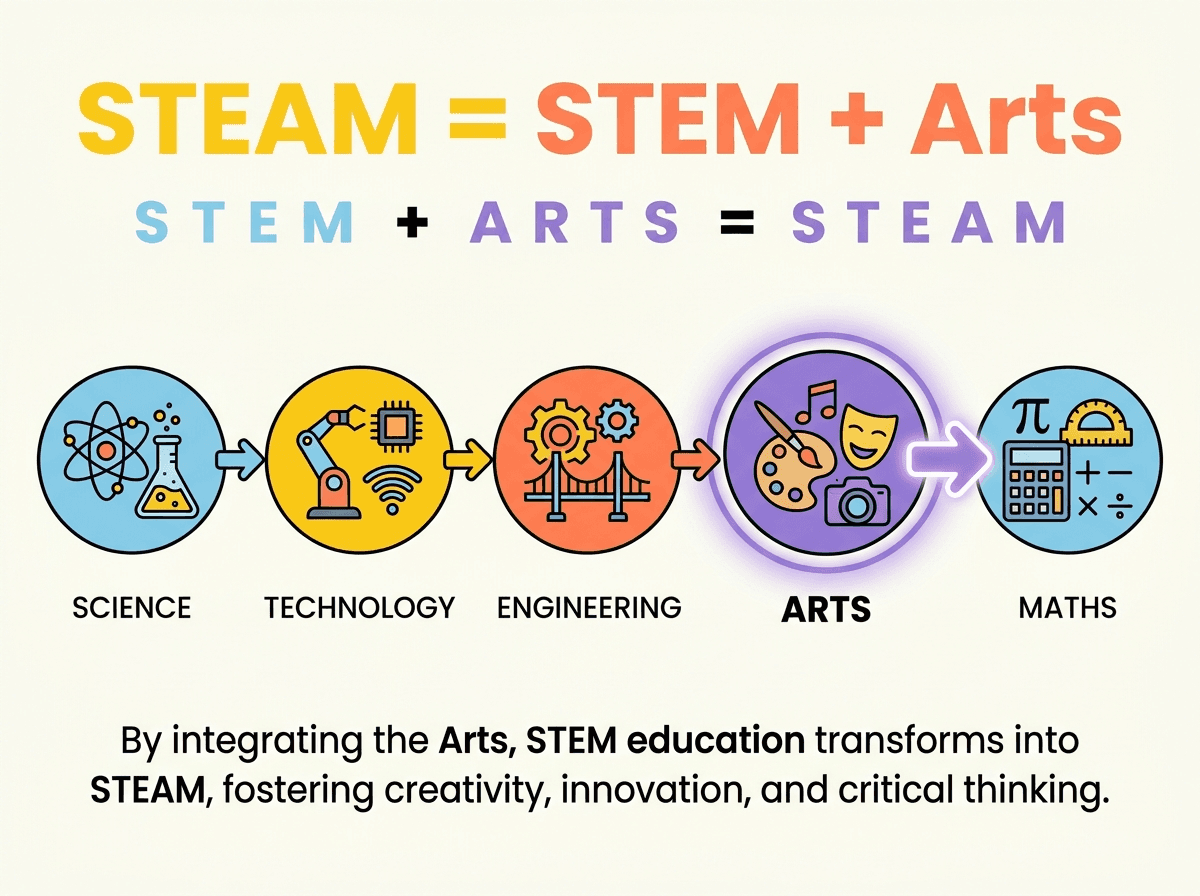
Enhancing Creativity and Critical Thinking through Arts and Sciences Integration
Integrating arts and sciences in education is a powerful approach to foster creativity and critical thinking among students. At theNational Centre for Excellence (NCFE)in Bangalore, this integration is a cornerstone of their educational philosophy, promoting holistic development through a blend of arts and sciences. By incorporating arts into STEM education, students are encouraged to think divergently and approach problems from multiple perspectives, which is essential for innovation and critical analysis.
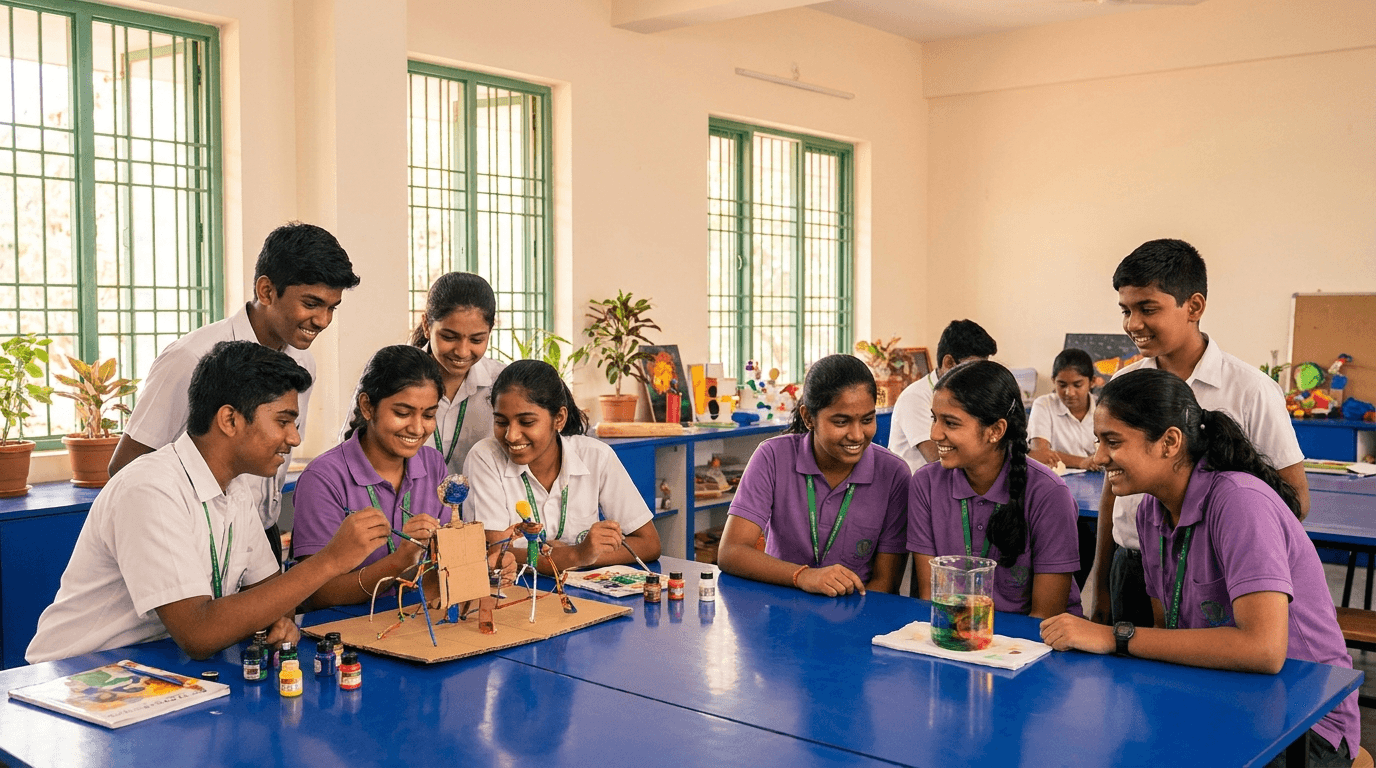
Building Interdisciplinary Competencies in Students
Integrating arts and sciences in education is not merely about blurring disciplinary boundaries; it’s about preparing students for a future where adaptability, creativity, and collaboration are paramount. By embracing the synergy between these domains, educators can cultivate well-rounded individuals equipped to thrive in an increasingly complex and interconnected world. As we bridge the gap between arts and sciences, we pave the way for a more innovative society. Let’s embark on this journey to buildinterdisciplinary competenciesin students.
Improving Academic Performance through Integrated Learning
The integration of arts and sciences in education has shown significant promise in enhancingstudents’ academic performance. At the National Centre for Excellence, a holistic learning approach is employed to ensure that students are not only absorbing information but also applying it in creative and innovative ways. This method has proven to be effective in improving students’ understanding of complex concepts, increasing engagement, and supporting diverse learning styles.

Promoting Emotional and Social Development
Integrating arts and sciences in education plays a pivotal role in promoting emotional and social development among students. At NCFE School, the holistic development of students is a primary focus, and the integration of arts and sciences is a key strategy in achieving this goal.Social and emotional learningis a critical component that helps students navigate their life’s challenges and build meaningful relationships.
Preparing Students for Future Challenges
Integrating arts and sciences in education is about preparing students for a future where adaptability, creativity, and collaboration are paramount. By embracing the synergy between these domains, educators can cultivate well-rounded individuals equipped to thrive in an increasingly complex and interconnected world. The importance of sports in holistic education is emphasized through physical, mental, and social benefits, encouraging parents to support children’s participation in sports for well-rounded development.
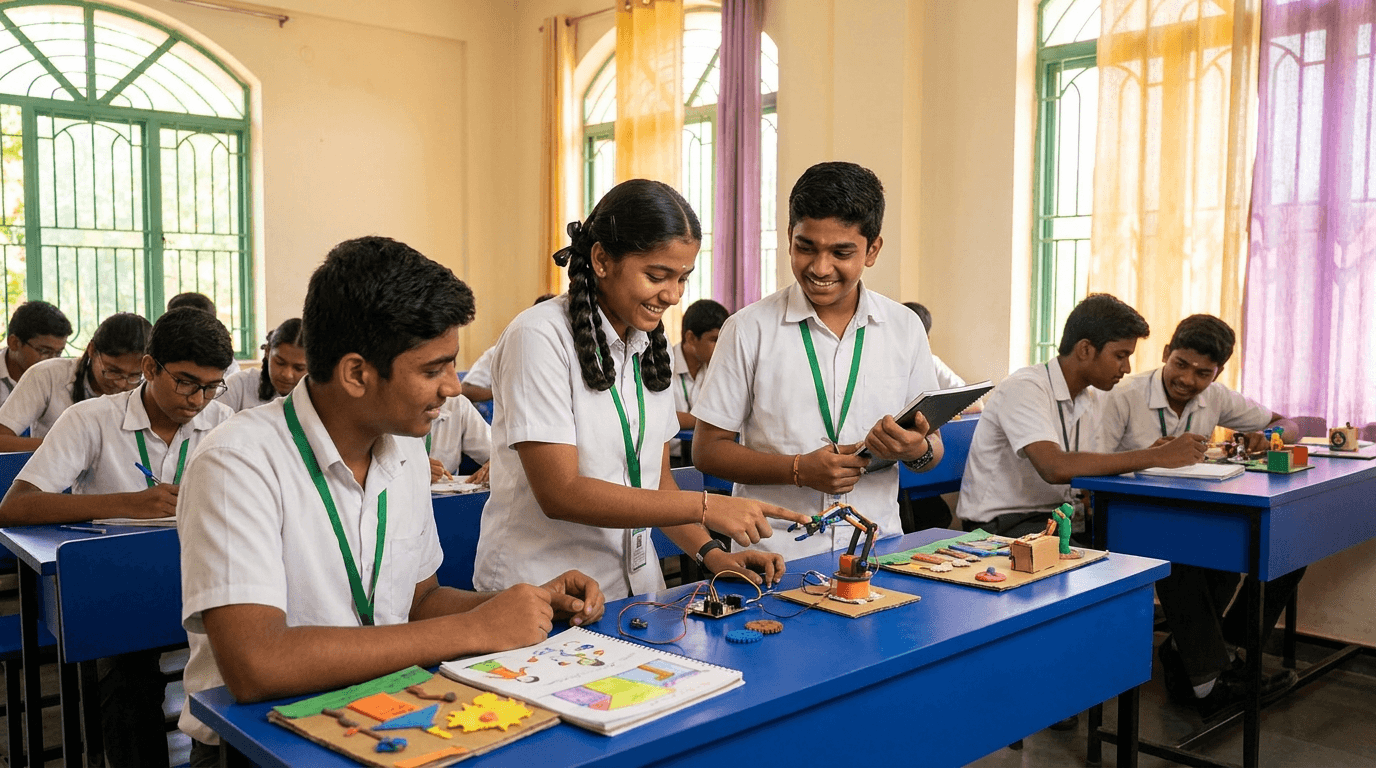
Implementing Effective Arts and Sciences Integration Strategies
Integrating arts and sciences in education requires thoughtful planning and execution. Effective strategies can significantly enhance the learning experience, fostering both creativity and critical thinking among students. At NCFE School, the integration of arts and sciences is pivotal for holistic student development, leveraging the benefits of STEAM education to prepare students for future challenges.
Professional Development for Educators
Professional development is crucial for educators to effectively implementarts integration strategies. Training programs, such as the 10-week professional development training on integrating arts with NGSS science education, have shown to significantly improve teacher efficacy. These programs help teachers understand how to blend artistic and scientific inquiry, promoting a more engaging and interdisciplinary learning environment.
Curriculum Design and Planning
A well-designed STEAM curriculum is essential for successful integration. This involves creating interdisciplinary projects that combine scientific research, artistic expression, and community engagement. For instance, students might explore environmental issues through experiments, multimedia presentations, and collaborative projects. Such a curriculum not only enhances understanding of complex concepts but also increases student engagement.
Utilizing Technology and Resources
Leveraging technology and available resources can greatly enhance the integration of arts and sciences. Tools like multimedia presentations, digital art platforms, and online collaborative tools can facilitate creative and scientific exploration. Additionally, resources such as assessment tools and feedback mechanisms are vital for continuous improvement and adaptation of the curriculum.
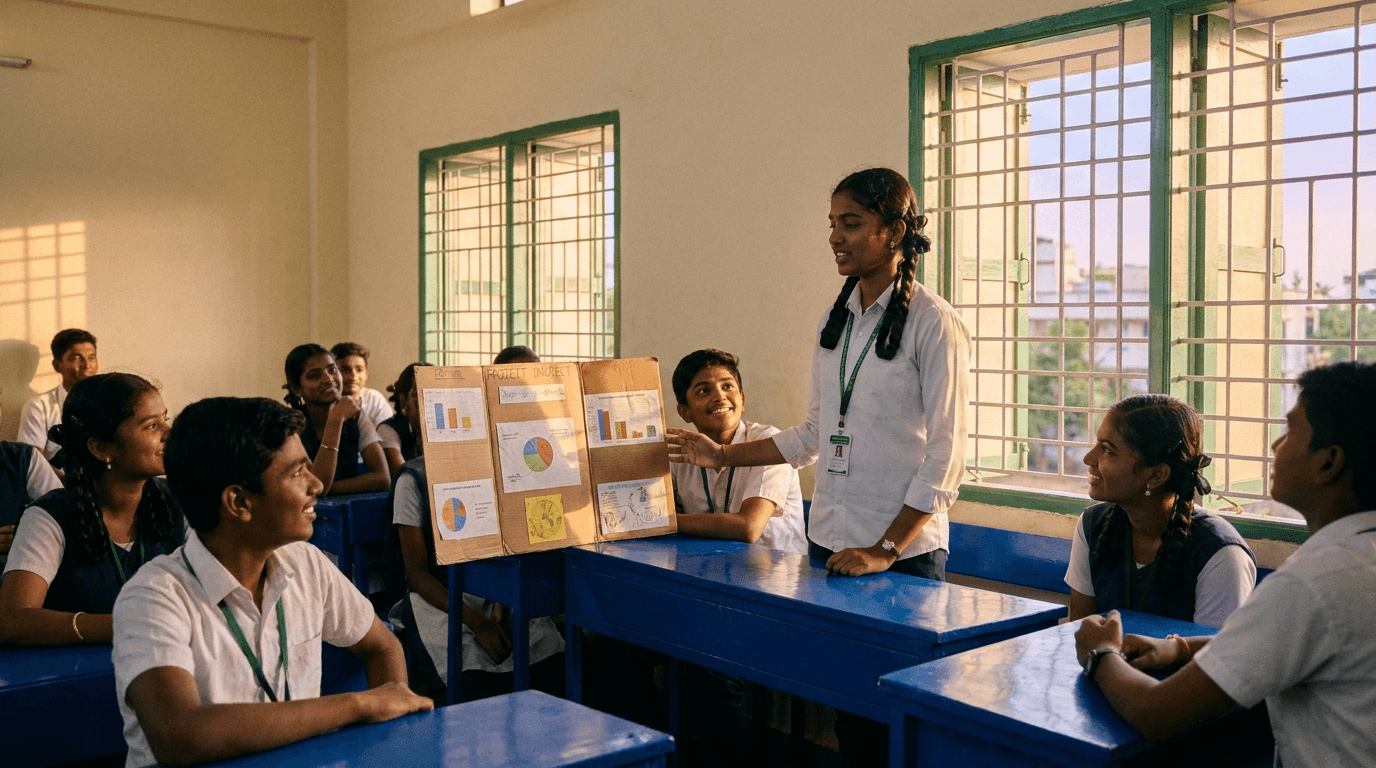
Evaluating the Impact of Arts and Sciences Integration
Evaluating the impact of arts and sciences integration is crucial to understanding its effectiveness and areas for improvement. This process involves assessing student outcomes, gathering feedback from stakeholders, and ensuring continuous improvement and adaptation. At NCFE School, the integration of arts and sciences has been instrumental in fostering holistic development among students.
Assessing Student Outcomes
Assessing student outcomes is a fundamental aspect of evaluating the impact of arts and sciences integration. This involves analyzing academic performance, creativity, critical thinking, and problem-solving skills. For instance, NCFE School has observed significant improvements in students’ understanding of complex concepts and their ability to apply knowledge in real-world scenarios. The use of interdisciplinary projects, such as combining scientific research with artistic expression, has proven to be effective in enhancing student engagement and learning outcomes.
Gathering Feedback from Stakeholders
Gathering feedback from stakeholders, including students, teachers, and parents, is essential for evaluating the success of arts and sciences integration. At NCFE School, regular surveys and feedback sessions are conducted to understand the perspectives of all stakeholders. This feedback helps in identifying strengths and areas for improvement, ensuring that the integration strategies are aligned with the needs and expectations of the school community.
Continuous Improvement and Adaptation
Continuous improvement and adaptation are key to the successful integration of arts and sciences in education. NCFE School emphasizes the importance ofcontinuous improvementby regularly reviewing and updating its curriculum and teaching methods. Professional development for educators, utilization of technology, and collaboration with external experts are some of the strategies employed to ensure that the integration remains effective and relevant.
Conclusion
Integrating arts and sciences in education is not merely about blurring disciplinary boundaries; it’s about preparing students for a future where adaptability, creativity, and collaboration are paramount. By embracing the synergy between these domains, educators can cultivate well-rounded individuals equipped to thrive in an increasingly complex and interconnected world. As we bridge the gap between arts and sciences, we pave the way for a more innovative, empathetic, and sustainable society. Let’s embark on this journey together, fostering a holistic educational environment that nurtures the intellectual, emotional, and creative capacities of every student.
Frequently Asked Questions
What is the purpose of integrating arts and sciences in education?
Integrating arts and sciences in education aims to prepare students for a future where adaptability, creativity, and collaboration are essential. It helps cultivate well-rounded individuals equipped to thrive in an increasingly complex and interconnected world.
How does the integration of arts and sciences enhance creativity and critical thinking?
By integrating arts into STEM education, students learn to approach problems from multiple perspectives. This enhances their ability to generate innovative solutions and encourages them to question assumptions and think critically about the world around them.
What are some strategies for implementing arts and sciences integration in the classroom?
Effective strategies include professional development for educators, curriculum design and planning, and utilizing technology and resources. Interdisciplinary projects and collaborative learning are also key components.
How does integrated learning improve academic performance?
Integrated learning enhances the understanding of complex concepts, increases student engagement, and supports diverse learning styles. This holistic approach helps students grasp subject matter more deeply and retain information better.
What role does arts and sciences integration play in emotional and social development?
Integrating arts and sciences promotes emotional and social development by building empathy and emotional intelligence, encouraging self-expression, and fostering a sense of community among students.
How can the impact of arts and sciences integration be evaluated?
The impact can be evaluated by assessing student outcomes, gathering feedback from stakeholders, and continuously improving and adapting the integration strategies. Regular monitoring and reflection are crucial for measuring success.


