

The Future of Learning Is Here: NCFE Launches AI Classrooms Across Campuses
What if the classroom could adapt to every student’s unique needs—instantly? That future isn't far away. In fact, it’s happening right now.
NCFE, one of the UK’s most forward-thinking educational charities and awarding organisations, has taken a bold leap into the future by launching AI-powered classrooms across its network of campuses. This move is more than just a tech upgrade—it’s a revolution in how we teach, learn, and prepare for the evolving world of work.
Let’s dive into what this means for students, teachers, and the education landscape as a whole.
Why AI Classrooms ? The challenge Traditional Learning Faces
For decades, the classroom model has remained relatively unchanged—structured lessons, static materials, and one-size-fits-all teaching. But the world has changed. Learners today are:
Digital natives with short attention spans but high adaptability
Diverse in learning styles, pace, and academic backgrounds
Entering a rapidly evolving job market that demands agile, tech-savvy skills
The traditional approach struggles to keep up. Teachers face growing pressure to personalize instruction, while students increasingly crave interactive, real-time learning experiences. This is where AI comes in.
What Are AI Classrooms? And How Do They Work?

NCFE’s AI classrooms integrate machine learning, data analytics, and smart interfaces to create a more adaptive, responsive, and inclusive learning environment.
Key Features Include:
Intelligent Learning Assistants: Think of them as digital teaching aides that provide real-time feedback, suggest resources, and help students practice difficult concepts.
Personalised Learning Paths: AI algorithms assess each student’s progress and tailor content to their pace and preferences.
Real-Time Assessment Tools: Gone are the days of waiting for exam results. AI tracks understanding live, helping instructors intervene early.
Interactive Whiteboards and Smart Devices: Tools that bring lessons to life with simulations, visualisations, and collaborative digital tasks.
Together, these elements create a dynamic classroom that evolves with the learner—fostering engagement, motivation, and mastery.
How Students Benefit
Let’s talk outcomes. The real magic of AI classrooms lies in what they unlock for learners:
More Confidence: With instant feedback and tailored support, students feel more in control of their learning journey.
Greater Inclusion: AI accommodates different learning needs, including those with learning difficulties or language barriers.
Job-Ready Skills: Exposure to emerging technologies and independent learning habits prepares students for the AI-powered workplaces of tomorrow.
What This Means for Educators
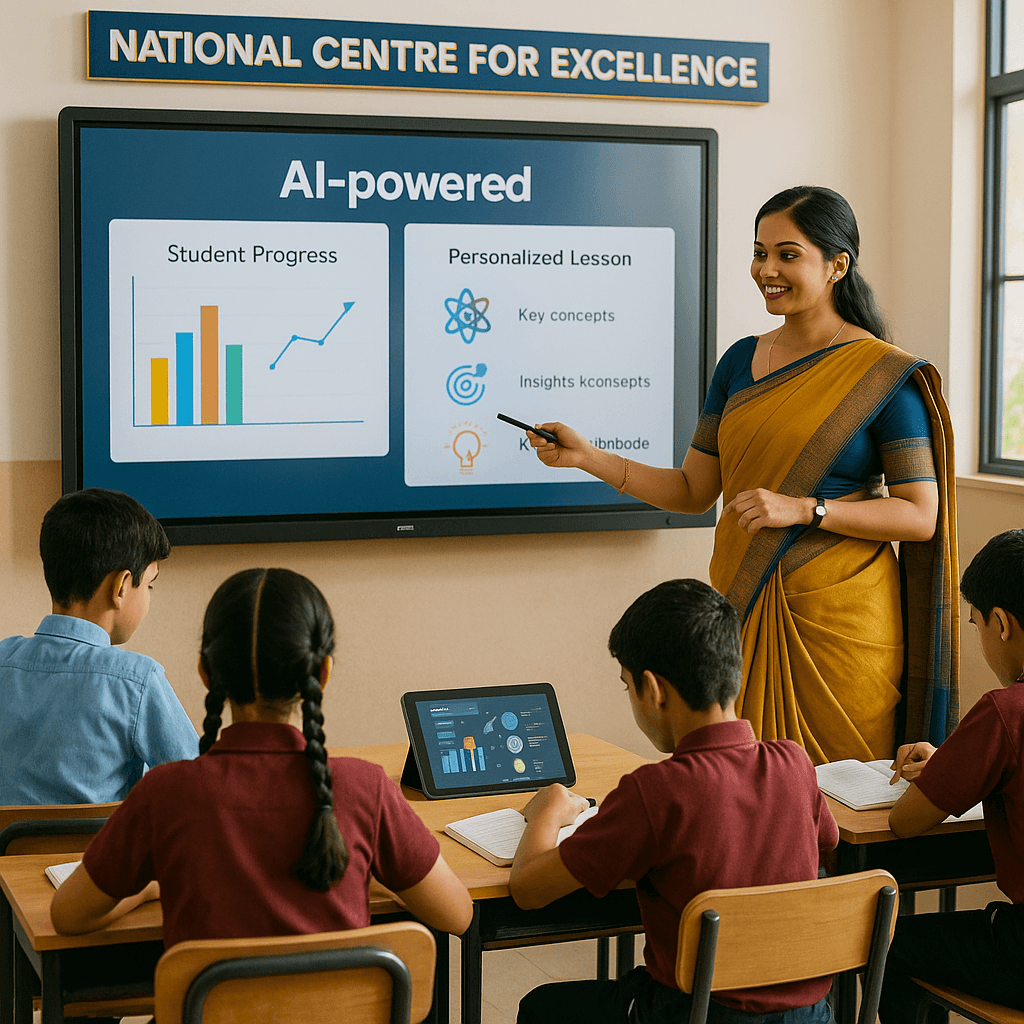
Far from replacing teachers, AI tools empower them.
Teachers get:
Deeper insights into student strengths and gaps
More time to focus on mentorship and high-impact interactions
Support in lesson planning and curriculum adaptation
By automating routine tasks and providing data-rich dashboards, educators can do what they do best: inspire and guide.
The Bigger Picture: Future-Proofing Education
NCFE’s rollout is part of a broader mission to reimagine education for a world that’s changing fast.
“We believe every learner deserves a future-focused, flexible education that equips them for life beyond the classroom.” — [NCFE CEO (or spokesperson), if named]
This initiative aligns with global trends. From the World Economic Forum to UNESCO, experts are calling for a radical rethink of education systems—and NCFE is leading the charge.
Final Thoughts: Embracing the New Era of Learning

AI classrooms are not science fiction—they’re the next evolution in a long journey toward more inclusive, effective, and engaging education.
As NCFE sets the pace, other institutions are sure to follow. And for students? The future just got a lot brighter.
So, what’s next?
Whether you’re a parent, educator, student, or policymaker—it’s time to lean in, stay informed, and support the bold steps being taken to make education smarter, fairer, and more future-ready.
Frequently Asked Questions About NCFE’s AI Classrooms
1. Are AI classrooms replacing teachers?
Not at all. AI is designed to assist, not replace. Teachers remain at the heart of the classroom, guiding, mentoring, and inspiring students. AI simply helps with routine tasks like assessments, tracking progress, and personalizing content—freeing up teachers to do more of what matters most.
2. How is student data protected in AI classrooms?
Data privacy is a top priority. NCFE ensures all AI systems comply with UK GDPR and relevant data protection laws. Student data is securely stored, encrypted, and only accessible to authorized staff for educational purposes. Ethical use of AI is a core commitment.
3. What kind of technology is used in these classrooms?
AI classrooms use a blend of:
Machine learning algorithms for personalized learning
Natural language processing (NLP) for real-time student interaction
Interactive whiteboards, tablets, and smart devices
Learning analytics platforms that monitor and adapt content
4. What subjects or levels are AI classrooms used for?
Currently, AI integration is being piloted across a variety of vocational and academic subjects, particularly where:
Personalized pacing is important
Practical skill development benefits from simulations or feedback loops
Students need differentiated instruction
NCFE plans to expand as feedback and success metrics are collected.
5. How do students react to learning with AI?
Feedback has been overwhelmingly positive. Students appreciate:
Instant feedback and support
Customised learning paths
Engaging digital content
In fact, early studies across campuses have shown higher satisfaction and improved academic performance in AI-assisted classrooms.
6. What support is available for teachers using this technology?
NCFE offers:
Comprehensive training sessions
Ongoing technical and pedagogical support
Access to communities of practice to share tips and strategies
Teachers aren’t expected to be AI experts—just open to innovation. The tech is intuitive and built with educator ease in mind.
7. Can students with learning difficulties use AI classrooms?
Yes, and they often benefit the most. AI can adjust pacing, provide multimodal explanations (text, voice, visuals), and offer gentle guidance tailored to individual needs—helping to close learning gaps and promote inclusion.
8. What’s next for NCFE’s AI initiative?
NCFE is committed to continual improvement. The plan includes:
Scaling to more campuses
Integrating more advanced AI features
Collaborating with industry partners to align learning with real-world job skills
Expect to see NCFE lead the charge in shaping the future of UK education.


