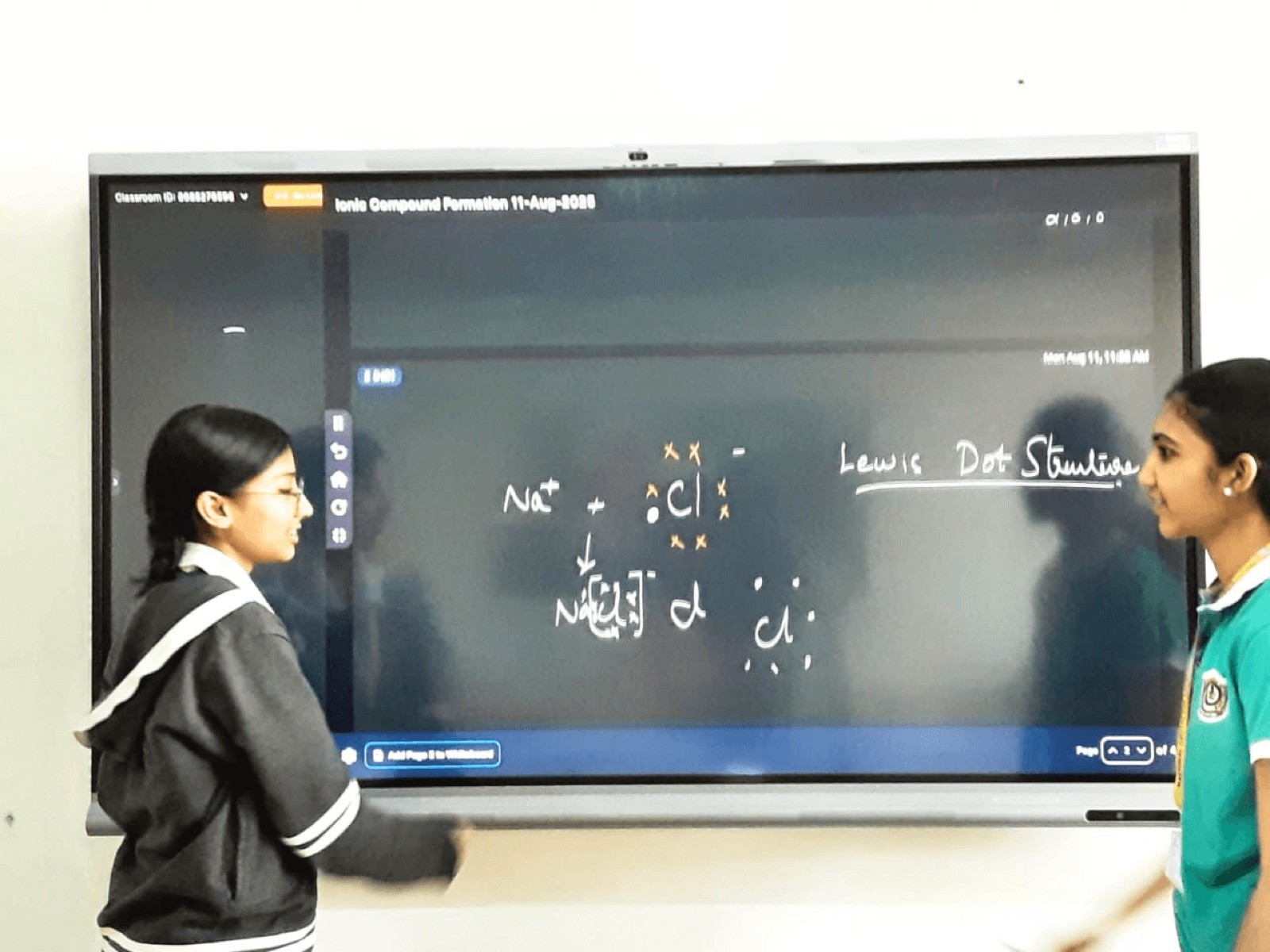
From Chalkboards to AI Boards: A Look at NCFE’s Tech Transformation Journey
Remember the smell of chalk dust in the air and the squeak of markers on whiteboards? For generations, those were the iconic sounds of education.
But step into a modern NCFE classroom today, and you’ll find something radically different: AI-powered learning environments that adapt, predict, and personalize education in real time.
This is more than a tech upgrade. It’s a bold reimagining of what learning can look like in the 21st century.
Let’s trace NCFE’s journey—from humble chalkboards to cutting-edge AI boards—and what it means for the future of education.
Where It Began: A Legacy Rooted in Access and Opportunity
Founded in 2006, NCFE (National Centre For Excellence) has long been a pioneer in accessible, inclusive education. From early paper-based qualifications to digital exams and now immersive AI classrooms, its evolution has always centered on one core belief:
“Learning should be adaptable to the learner—not the other way around.”
This belief laid the foundation for NCFE’s tech-forward approach.
Milestone Moments in NCFE’s Digital Evolution
1. Digital Qualifications and Online Assessments
In the early 2000s, NCFE moved from paper-based testing to online assessments—enhancing flexibility, reducing delays, and making qualifications more accessible.
2. e-Learning Platforms and Remote Learning
As remote learning became vital, especially during the pandemic, NCFE rolled out e-learning platforms that supported students with self-paced modules, multimedia resources, and virtual teacher support.
3. Learning Analytics and Smart Dashboards
By 2020, NCFE introduced data-driven tools that helped educators identify at-risk learners and tailor interventions early—shifting focus from reactive teaching to proactive support.
4. 2024: The AI Classroom Era Begins
With the launch of AI-integrated classrooms across campuses, NCFE took its most significant step yet—embedding artificial intelligence into the core learning experience to deliver adaptive, real-time, and student-first education.
What Exactly Is an AI Board?
An AI board isn't just a fancy screen. It’s a smart, dynamic learning interface powered by machine learning and real-time data.
It can:
Understand and respond to student queries
Adapt lessons on the fly based on comprehension levels
Provide instant feedback and revision tips
Integrate with personal learning dashboards for a seamless experience
Think of it as a digital co-teacher—always attentive, always evolving.
The Why Behind the Change
Why did NCFE invest in such a dramatic transformation?
Because today’s learners:
Expect interactive, tech-driven experiences
Come from diverse learning backgrounds and abilities
Need job-ready skills for an increasingly digital economy
NCFE realized that meeting these needs meant going beyond digitization—to personalization.
The Human Element: Teachers + Tech = Impact
Despite the high-tech tools, NCFE’s transformation hasn’t sidelined teachers. Instead, it’s empowered them.
Teachers now spend less time marking and more time mentoring.
Smart dashboards help them track student growth in real time.
Collaborative lesson planning tools make it easier to adapt content for different needs.
The result? A classroom that’s more engaged, inclusive, and effective—for everyone.
Looking Ahead: What’s Next on NCFE’s Innovation Roadmap?
NCFE isn’t stopping at AI boards. Their future plans include:
Virtual reality modules for immersive vocational training
AI career advisors to guide learners toward skills and pathways based on interests and market trends
Partnerships with tech companies to keep classrooms future-proofed
In short, they’re building a model where education evolves alongside the learner—and the world.
Final Thoughts: From Chalk to Code—A Purposeful Evolution
The journey from chalkboards to AI boards isn’t just about tech. It’s about transformation—with purpose.
NCFE’s story is a powerful reminder that:
Innovation should be led by values
Technology is a means, not the end
And every leap forward must serve the learner
The classroom has changed. The mission hasn’t.
Frequently Asked Questions
1. Why did NCFE move from traditional classrooms to AI-enabled ones?
NCFE’s goal has always been to make learning more accessible, effective, and future-ready. Traditional classrooms often struggle to meet the needs of diverse learners and rapidly changing industries. By adopting AI-powered tools, NCFE can personalize learning, support teachers, and better prepare students for the modern world of work.
2. Is technology taking over the teaching role in NCFE classrooms?
Not at all. Teachers remain central to the classroom experience. The AI tools and smart boards are designed to enhance teaching, not replace it. They automate repetitive tasks, offer real-time feedback, and support teachers with data-driven insights—allowing educators to focus more on mentoring and meaningful interaction.
3. What are AI boards, and how do they differ from standard smartboards?
While smartboards offer digital interactivity, AI boards go further by using machine learning and real-time data to adapt lessons, track student understanding, and provide personalized learning experiences. They’re essentially intelligent teaching companions that evolve with each class.
4. How are students responding to these new technologies?
The feedback has been very positive. Students report feeling:
More engaged due to interactive and adaptive lessons
Less anxious because of instant support and clear progress tracking
Better prepared for real-world tech environments
AI boards create a learning experience that feels more modern, intuitive, and relevant.
5. What support is provided to teachers during this transformation?
NCFE offers comprehensive support, including:
Hands-on training sessions and workshops
Ongoing technical support and troubleshooting
Access to digital teaching communities for idea-sharing
The transition is designed to be smooth and empowering, with educators fully supported every step of the way.
6. Does this technology benefit students with additional learning needs?
Yes—in a big way. AI tools can:
Adjust content delivery speed
Offer multiple formats (visual, auditory, written)
Provide quiet, self-paced options for neurodivergent learners
This kind of personalized flexibility makes AI classrooms especially effective for students with SEND (Special Educational Needs and Disabilities).
7. What are NCFE’s next steps in educational innovation?
NCFE plans to explore:
Virtual and augmented reality for immersive, hands-on training
AI-powered career guidance systems
Deeper integration with employers to align learning with workforce needs
The journey is ongoing—and always learner-focused.
8. Can other institutions adopt this model?
Yes. While NCFE is a leader in this space, its approach is a template for scalable, inclusive digital transformation in education. Other schools, colleges, and training providers can learn from NCFE’s methods and adapt them to their own contexts.