

Introduction
As education continues to evolve in the digital age, one question is on every parent's mind: “What kind of learning environment will best support my child's growth?” Traditional classrooms have long served as the foundation of education, but today's AI-integrated learning models offer an upgraded experience driven by innovation, personalization, and interactivity.
At National Centre for Excellence (NCFE), we believe in preparing children for the real world—and that starts by reimagining the classroom. This article explores the differences between traditional and AI-powered learning environments and helps you decide what’s best for your child’s future.
Traditional Classrooms: The Familiar Approach
Traditional classrooms are structured, teacher-led spaces with chalkboards or basic projectors, printed textbooks, and a standardized curriculum. This model has produced generations of learners, offering routine, discipline, and curriculum consistency.
Pros of Traditional Learning:
Clear structure and routine
Teacher-led instruction
Curriculum continuity
Familiarity for
Challenges:
Limited personalization
Passive learning styles
Inconsistent engagement
Lack of real-time feedback and data
Explore how NCFE enhances this model with our Structured CBSE Curriculum.
AI-Integrated Learning: The Next-Gen Classroom
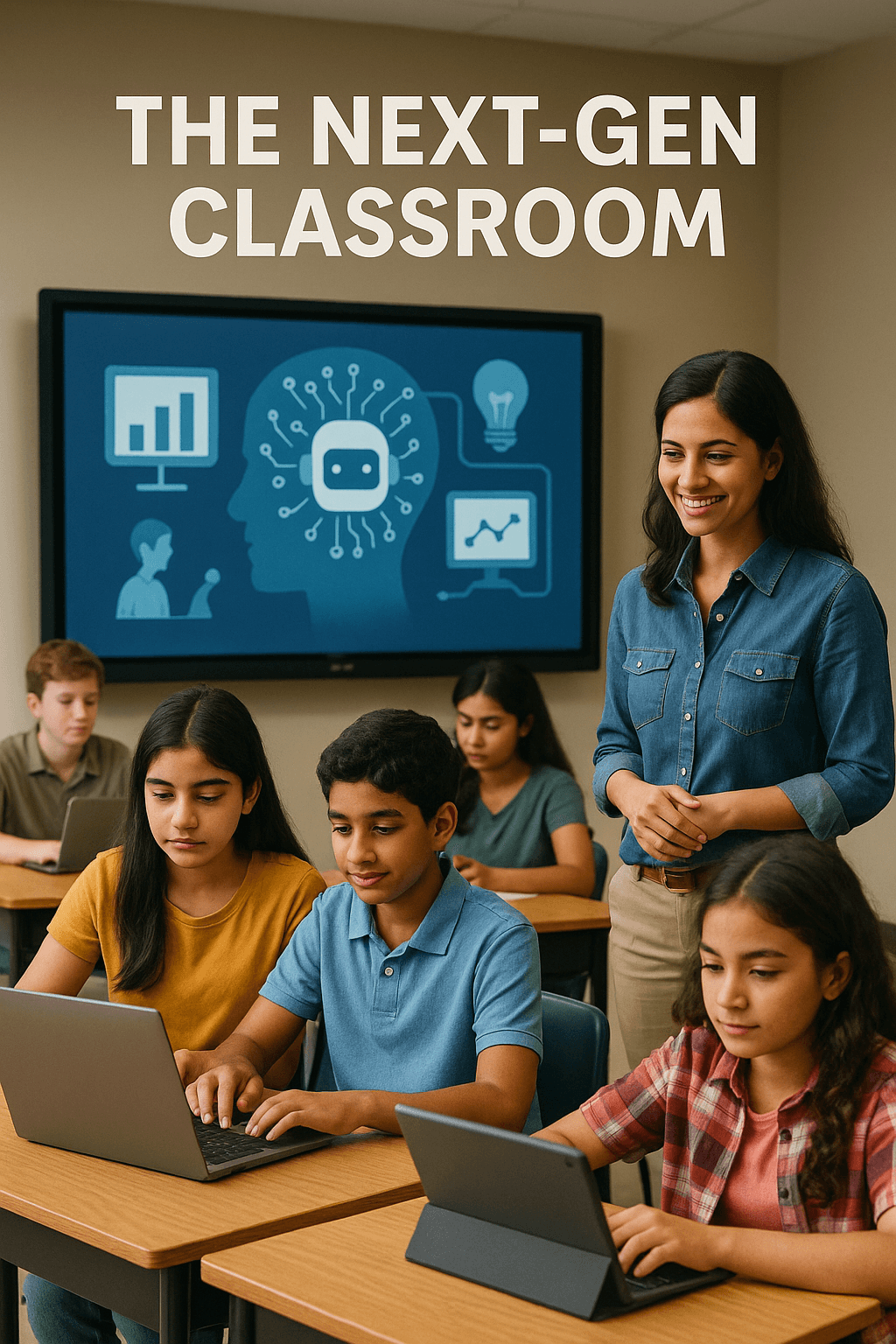
AI-powered classrooms are built on innovation, using tools like interactive smart boards, real-time lesson customization, and intelligent feedback systems. At NCFE, we’ve embraced this model to create tech-enhanced, learner-centric classrooms where every student receives the attention and resources they need to thrive.
🔗 Discover our AI Learning Model across CV Raman Nagar, Indiranagar, and Mandur campuses.
Key Features of AI-Integrated Learning at NCFE
1. Personalised Learning Journeys
AI tailors lessons to suit each student’s pace, interests, and comprehension level.
2. Smart Boards with Voice Search
Teachers access high-quality visual and video content instantly through voice or text input.
3. Safe Digital Ecosystem
Students explore the internet in a controlled, child-safe environment—no distractions, no inappropriate content.
4. Teacher Empowerment
With post-class analytics, teachers can assess class performance and plan more effectively.
5. 21st-Century Skill Development
AI-driven classrooms encourage critical thinking, collaboration, and digital fluency—skills needed for tomorrow’s jobs.
Traditional vs AI-Integrated Learning: A Comparison
Feature | Traditional Learning | AI-Integrated Learning |
Lesson Delivery | Fixed, one-size-fits-all | Dynamic, personalized |
Engagement | Limited interaction | High engagement with multimedia |
Student Role | Passive listener | Active participant |
Teacher Tools | Chalkboard, textbooks | Smart boards, AI tools |
Feedback | Periodic and manual | Real-time and automated |
Skills Developed | Rote learning, discipline | Critical thinking, digital fluency |
What Do Experts Say About AI in Education?

According to UNESCO, AI has the potential to address learning gaps and improve equity in education—especially when integrated responsibly. Studies by EdSurge highlight how AI tools empower both students and teachers by providing adaptive learning experiences.
Parents Ask, We Answer (FAQs)
Q1. Will AI replace teachers in classrooms?
No. At NCFE, we use AI to support teachers, not replace them. It enhances delivery, feedback, and planning—while the human connection remains vital.
Q2. Is screen time a concern?
Our smart boards are teacher-led, ensuring focused usage with no unnecessary screen exposure.
Q3. Does my child need to be tech-savvy to benefit from AI learning?
Not at all! Our systems are intuitive, age-appropriate, and designed to support foundational to senior secondary learners.
Which Is Best for Your Child?
While traditional learning offers structure and familiarity, AI-integrated classrooms provide the edge your child needs to stay ahead in a competitive, tech-driven world. At NCFE, we bring the best of both—strong academic grounding with forward-thinking technology.
🎯 Learn more about how we create a Balanced Learning Ecosystem at NCFE.
Visit Us and See the Difference Firsthand
Are you wondering how this works in real classrooms? Come and experience it.
👉 Schedule a School Tour and explore how NCFE is shaping future-ready learners through smart technology and compassionate teaching.
Conclusion
The future of education lies in adaptability, personalization, and innovation. At NCFE, we’re blending the strengths of traditional learning with the intelligence of AI-powered systems—offering your child the best of both worlds.
📌 Your child deserves an education that is smart, safe, and future-focused. That’s what NCFE stands for.


