

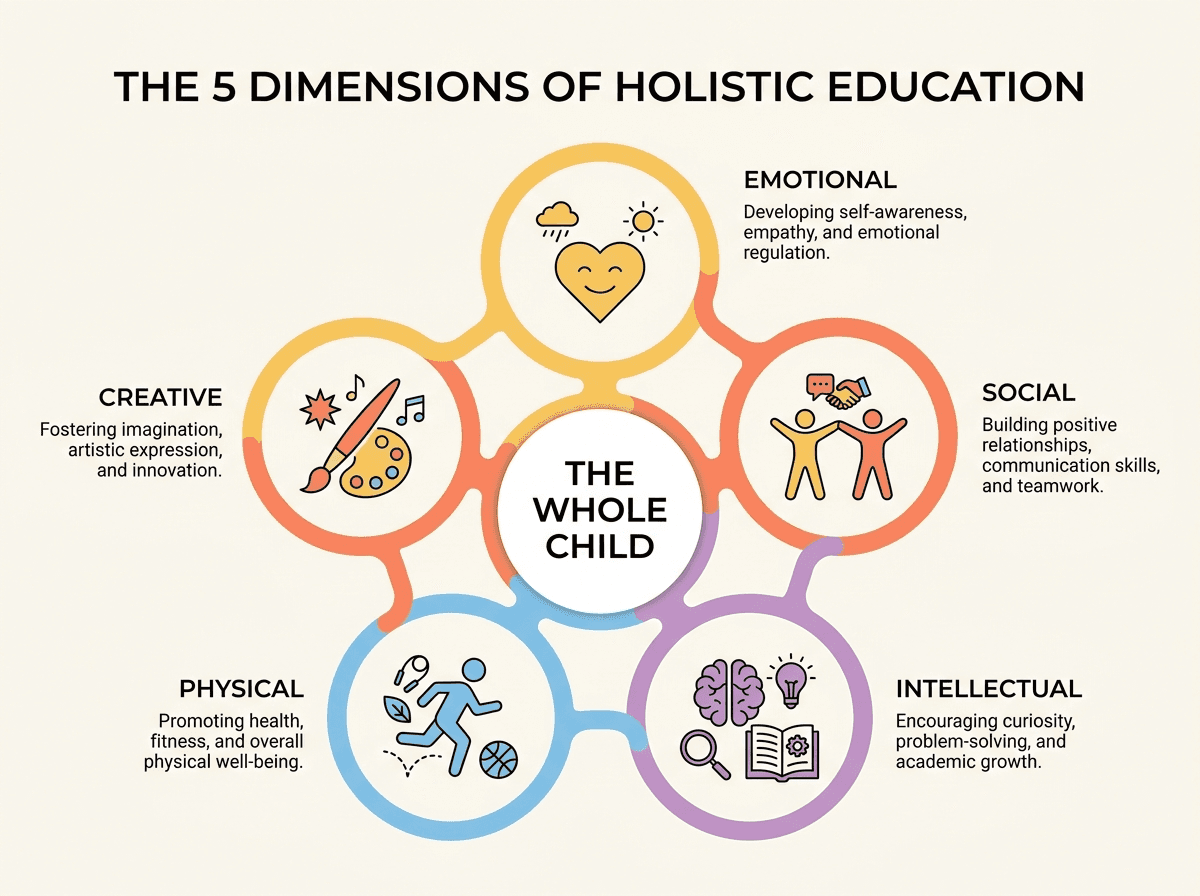
In a rapidly evolving world, the importance of holistic education cannot be overstated. Unlike traditional education systems that focus primarily on academic achievement, holistic education aims to nurture all aspects of a student’s development. This includes emotional, social, intellectual, physical, and creative growth. By fostering a well-rounded development, holistic education prepares students to navigate the complexities of modern life, equipping them with the skills and values necessary for personal and societal success.
Key Takeaways
Holistic education nurtures all aspects of a student’s development, including emotional, social, intellectual, physical, and creative growth.
It prepares students to navigate the complexities of modern life, equipping them with essential skills and values.
Holistic education promotes lifelong learning, fostering qualities like empathy, resilience, and adaptability.
Implementing holistic education requires thoughtful curriculum design, teacher training, and appropriate assessment methods.
Despite challenges, the benefits of holistic education extend beyond individual growth to fostering global citizenship and building resilient communities.
Understanding Holistic Education
Holistic educationis an approach to teaching that focuses on the academic and social needs of students. It seeks to engage all aspects of the learner, including the mind, spirit, and body. This comprehensive learning strategy necessitates skill mastery and advancement, aiming to create a learning environment that isinclusive, supportive, and nurturing. Holistic education encourages students to explore and discover their unique strengths and talents, fostering a sense of self-awareness and confidence. It provides a well-rounded education that addresses not just academic needs but also social, emotional, and physical needs.
The Role of Holistic Education in Child Development
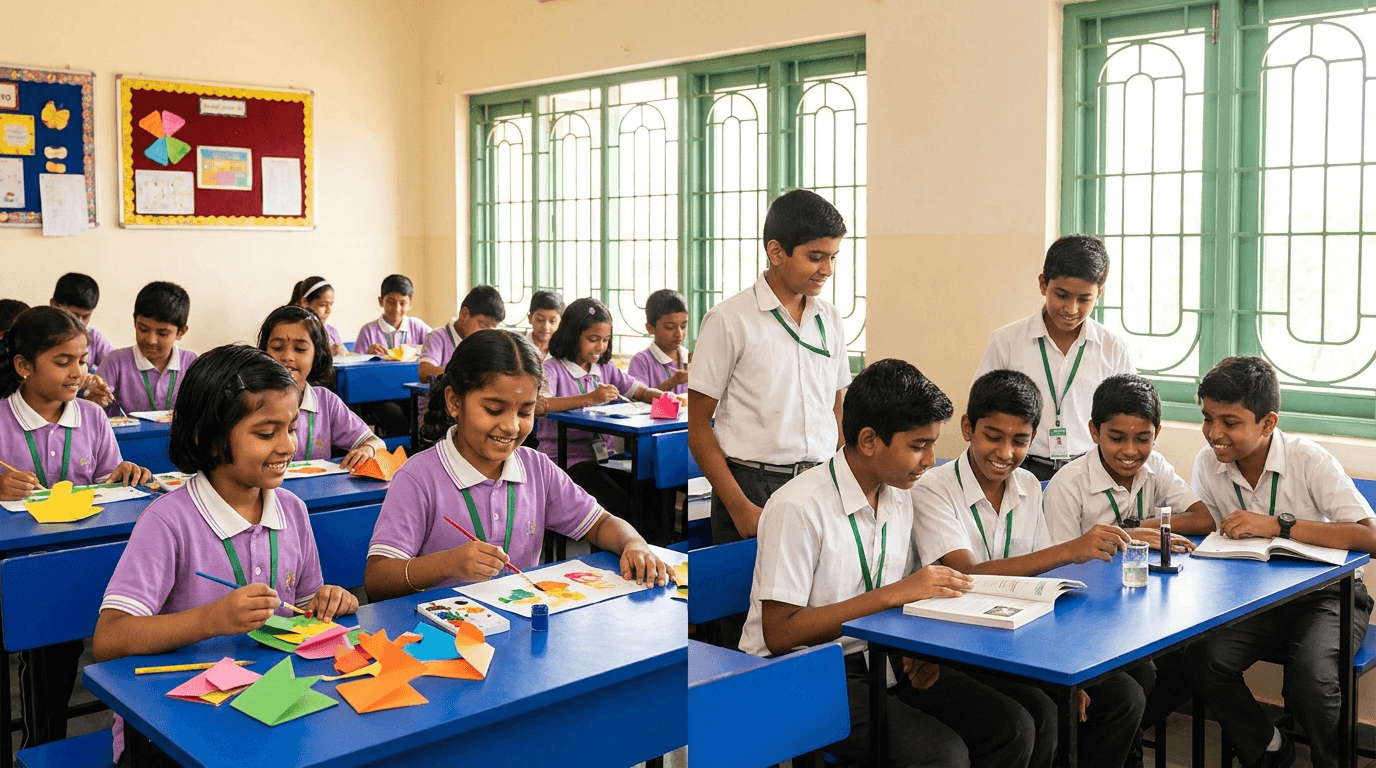
Holistic education plays a pivotal role in the comprehensive development of a child. By focusing on the whole child, it ensures that every aspect of a child’s growth is nurtured, from emotional and social learning to cognitive and physical skills. This approach not only fosters academic excellence but also cultivates essential life skills, preparing children to thrive in a complex and interconnected world.
Emotional and Social Growth
Emotional and social learning is a cornerstone of holistic education. It emphasizes the development of empathy, resilience, and interpersonal skills. By creating a supportive and inclusive environment, children learn to navigate their emotions and build healthy relationships, which are crucial for their overall well-being.
Cognitive and Intellectual Development
Holistic education encourages critical thinking, creativity, and problem-solving abilities. It goes beyond traditional rote learning, promoting a deeper understanding of subjects and their real-world applications. This method nurtures intellectual curiosity and a lifelong love of learning.
Physical and Creative Skills
Physical education and creative arts are integral components of holistic education. They contribute to the physical well-being and creative expression of children. Activities like sports, dance, music, and art help in developing motor skills, coordination, and artistic talents, ensuring a well-rounded development.
In essence, holistic education aims to educate the whole child, addressing their intellectual, emotional, social, physical, and creative needs. This comprehensive approach prepares children to become well-rounded, socially responsible, and resilient individuals.
Implementing Holistic Education in Modern Schools
Curriculum Design and Pedagogy
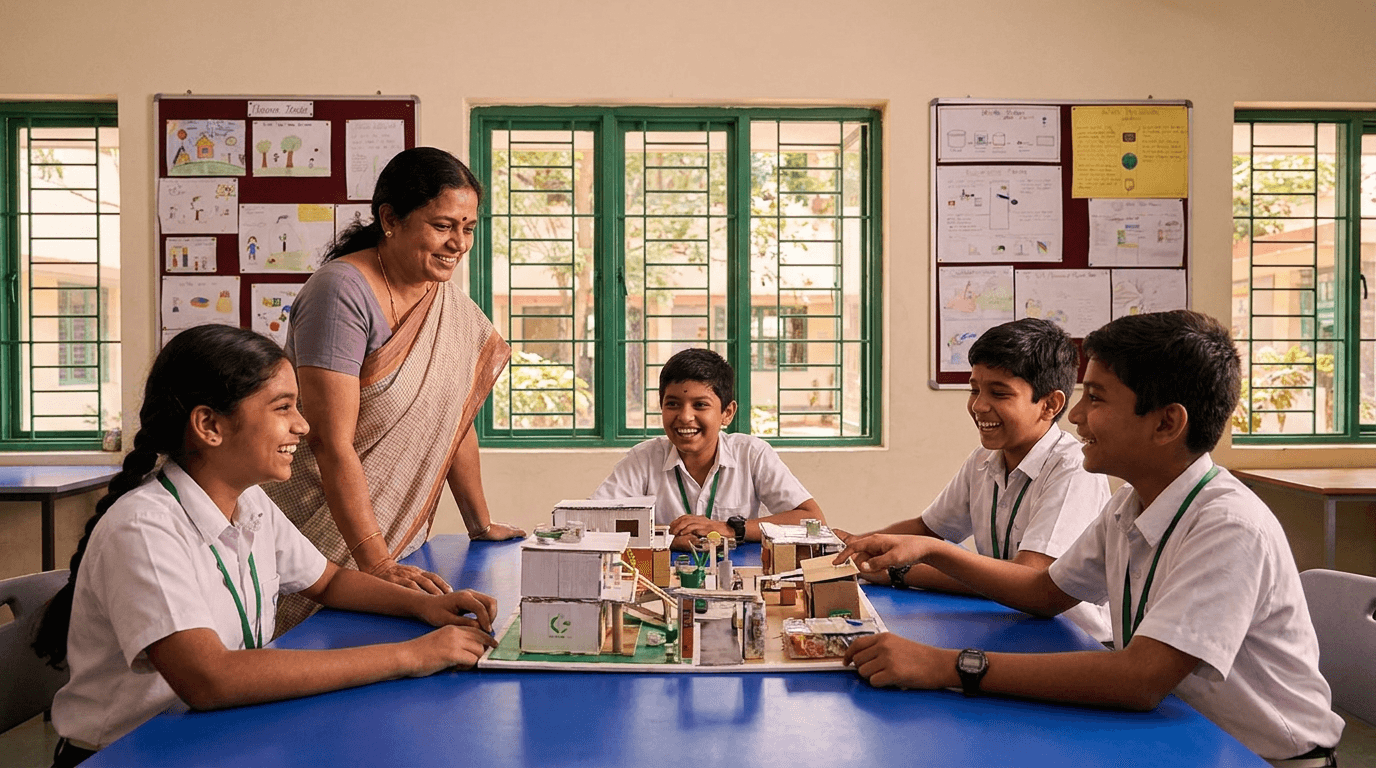
A balanced education curriculum is essential for implementing holistic education in modern schools. This involves integrating academic subjects with arts, physical education, and social-emotional learning. Schools like NCFE have successfully adopted this approach, ensuring that students receive a well-rounded education. Key elements include:
Interdisciplinary learning modules
Project-based learning
Emphasis on critical thinking and problem-solving skills
Teacher Training and Professional Development
Teachers play a crucial role in delivering holistic education. Continuous professional development is necessary to equip them with the skills required for this approach. Training programs should focus on:
Innovative teaching methods
Emotional intelligence and student well-being
Collaborative learning techniques
Effective teacher training ensures that educators can meet the diverse needs of students, fostering a more inclusive and supportive learning environment.
Assessment and Evaluation Methods
Traditional assessment methods often fall short in evaluating the comprehensive development of students. Holistic education requires a more nuanced approach to assessment, including:
Formative assessments
Portfolios and project work
Peer and self-assessments
These methods provide a more accurate picture of a student’s growth, encompassing academic, social, and emotional dimensions.
Challenges and Solutions in Holistic Education
Overcoming Traditional Educational Barriers
Holistic education often faces resistance from traditional educational systems that prioritize standardized testing and rote learning. Personal growth in education is frequently overshadowed by the emphasis on academic performance. To address this, schools can integrate holistic practices gradually, ensuring that both educators and students adapt to the new methodologies.
Addressing Diverse Learning Needs
A significant challenge in holistic education is catering to the diverse learning needs of students. This requires a flexible curriculum that can be tailored to individual strengths and weaknesses. Schools can employ differentiated instruction and personalized learning plans to ensure that every student benefits from a holistic approach.
Ensuring Consistent Implementation
Consistency in implementing holistic education across different schools and classrooms is another hurdle. This can be mitigated by providing comprehensive teacher training and professional development programs. Regular workshops and continuous support can help teachers effectively incorporate holistic principles into their teaching practices.
Embracing holistic education involves a shift from traditional metrics of success to a more inclusive understanding of student development. This shift not only enhances academic performance but also fosters resilience and a growth mindset among students.
To ensure theimportance of sports in holistic educationis emphasized, schools should encourage a balance between academics and extracurricular activities, promoting well-rounded development.
The Impact of Holistic Education on Society
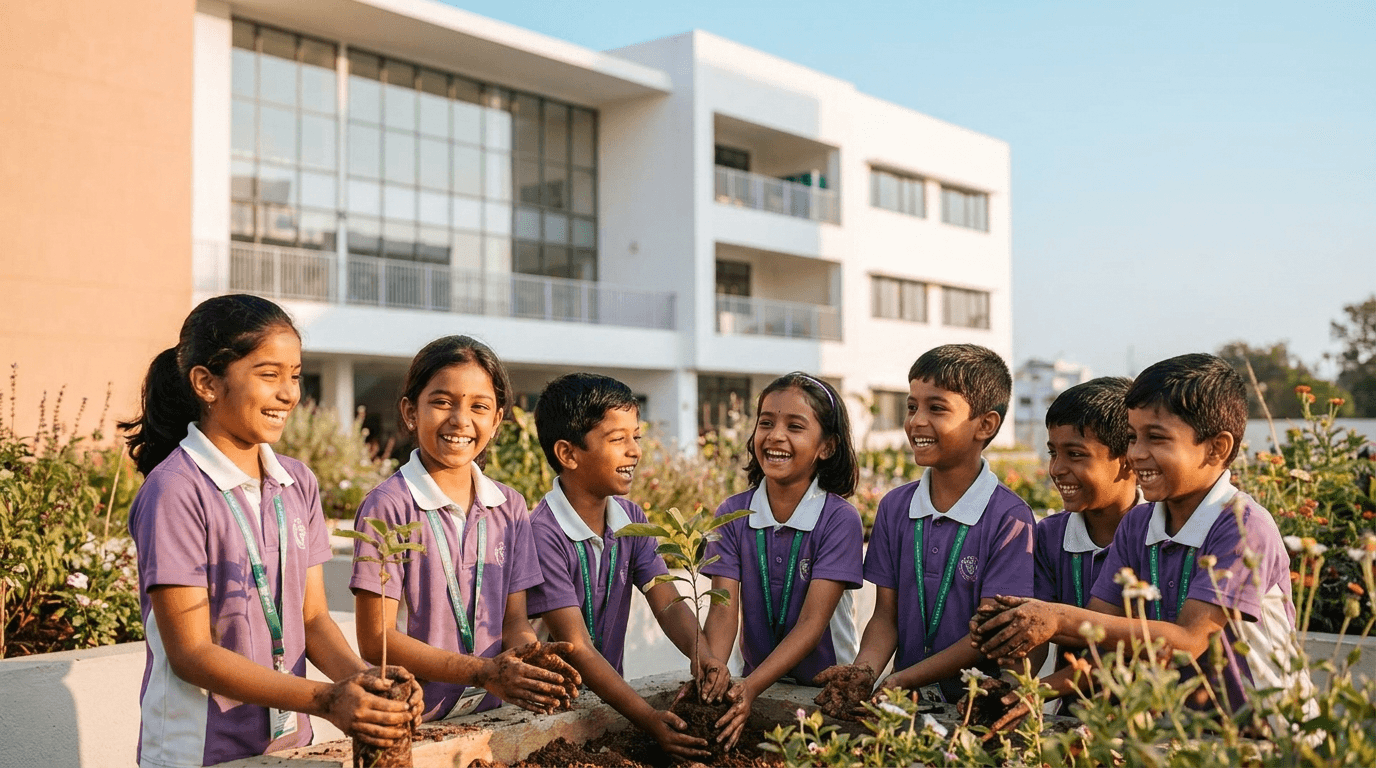
Holistic education has far-reaching implications for society, fostering individuals who are not only knowledgeable but also empathetic, resilient, and adaptable. This educational approach nurtures a lifelong love of learning and prepares individuals to thrive in a complex and interconnected global society.
Fostering Global Citizenship
Holistic education encourages students to reflect on their actions and their impact on both the global and local community. By engaging in projects that apply critical-thinking skills to solve real-world problems, students develop a deeper understanding of their place in the world. This fosters a sense of global citizenship and responsibility.
Promoting Lifelong Learning
In a holistic educational environment, students are encouraged to explore their creativity, critical thinking, and problem-solving skills. This promotes a lifelong love of learning and helps individuals adapt to the ever-changing demands of the modern world. Holistic education recognizes that human beings are multidimensional and that their development requires attention to all aspects of their being.
Building Resilient Communities
Holistic education also plays a crucial role in building resilient communities. By addressing the diverse learning needs of students and providing emotional and social support, holistic education helps create well-rounded individuals who can contribute positively to society. This approach not only benefits the individual but also strengthens the community as a whole.
Case Studies of Successful Holistic Education Models
Innovative Schools and Programs
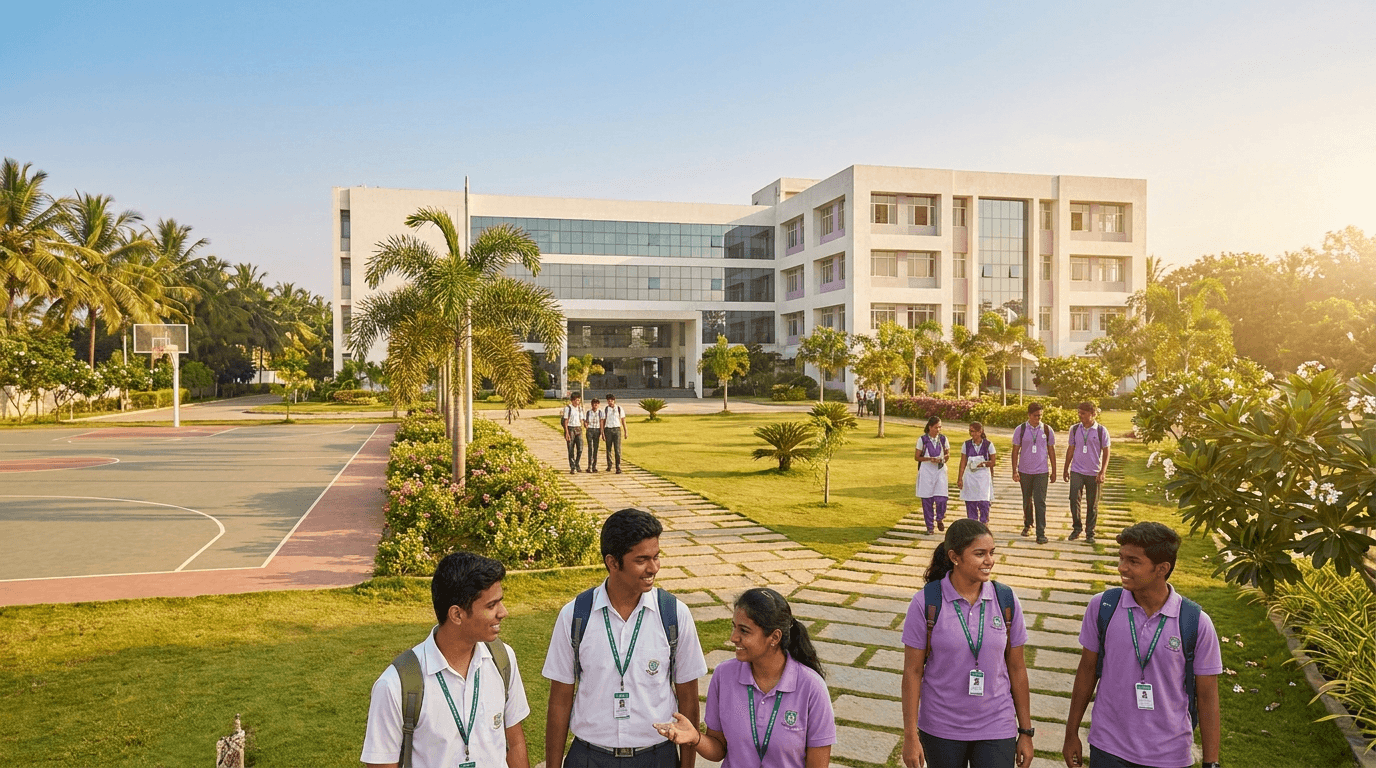
One notable example of a successful holistic education model is the National Centre for Excellence in Bangalore. This institution has expanded with new campuses, focusing on holistic education, student well-being, and an inclusive learning environment. The school inspires excellence and success through practical education, nurturing talents, and preparing students for life beyond academics.
Student Success Stories
Students at the National Centre for Excellence are taught to reflect on their actions and how they impact the global and local community. They engage in projects that apply critical-thinking skills toward solving real-world problems. This approach has led to numerous student success stories, showcasing the effectiveness of holistic education in fostering well-rounded individuals.
Community and Parental Involvement
Community schools emphasize community connections, partnering with residents, organizations, and officials to provide support and expanded learning opportunities, including after-school programs. Parental involvement is also a key component, ensuring that the holistic education model is supported both at school and at home.
Future Directions for Holistic Education
Integrating Technology and Holistic Learning
The integration of technology in holistic education is not just about using digital tools but about creating campus environments that foster creativity, critical thinking, and problem-solving skills. Schools like the National Centre for Excellence are pioneering this approach by incorporating advanced technological resources into their curriculum, ensuring that students are well-prepared for the future.
Policy Recommendations
To effectively implement holistic education, policymakers must consider several key areas:
Curriculum Development: Ensure that the curriculum is flexible and inclusive, catering to diverse learning needs.
Teacher Training: Invest in continuous professional development for teachers to equip them with the skills needed for holistic education.
Assessment Methods: Move away from standardized testing and adopt more comprehensive assessment methods that evaluate a student’s overall development.
Research and Development in Holistic Education
Ongoing research is crucial for the evolution of holistic education. Studies focusing on the impact of holistic education on lifelong learning skills and overall student well-being are essential. Institutions should collaborate with research bodies to develop innovative educational models that can be implemented globally.
The future of education lies in creating environments that nurture the whole child, preparing them not just for exams but for life. Holistic education challenges the present approach to education and its obsessive focus on standards and testing.
Conclusion
In conclusion, the importance of holistic education in today’s world cannot be overstated. As we navigate an increasingly complex and interconnected global society, it is imperative that educational institutions adopt a holistic approach that nurtures not only academic excellence but also emotional intelligence, creativity, and social skills. Holistic education prepares students to face life’s multifaceted challenges with resilience, empathy, and ethical decision-making. By fostering a lifelong love of learning and promoting a balanced development, holistic education equips individuals to contribute meaningfully to their communities and the larger world.
Frequently Asked Questions
What is holistic education?
Holistic education is an approach to teaching that focuses on the development of a student’s intellectual, emotional, social, physical, artistic, creative, and spiritual potentials. It aims to cultivate a love for learning and foster qualities like empathy, resilience, and adaptability.
Why is holistic education important in today’s world?
Holistic education is crucial in today’s rapidly changing world as it recognizes that individuals are complex beings with multifaceted needs. This approach not only promotes academic excellence but also emotional intelligence, creativity, and social skills, preparing students to navigate life’s challenges effectively.
How does holistic education benefit child development?
Holistic education supports child development by promoting emotional and social growth, cognitive and intellectual development, and physical and creative skills. It helps children develop a deeper understanding of themselves and their relationships with others, fostering a well-rounded development.
What are the core principles of holistic education?
The core principles of holistic education include the development of the whole person, the integration of multiple intelligences, the importance of relationships and community, experiential learning, and the promotion of lifelong learning and personal growth.
How can modern schools implement holistic education?
Modern schools can implement holistic education through thoughtful curriculum design and pedagogy, comprehensive teacher training and professional development, and effective assessment and evaluation methods. Schools should also create an environment that supports the holistic growth of students.
What challenges are associated with holistic education?
Challenges in holistic education include overcoming traditional educational barriers, addressing diverse learning needs, and ensuring consistent implementation across different educational settings. Solutions involve adopting flexible teaching approaches, providing adequate resources and support, and fostering a school culture that values holistic development.


