In an era where technological advancements and scientific discoveries are rapidly transforming the world, STEM education stands as a crucial pillar in preparing students for the future. By fostering critical thinking, enhancing problem-solving abilities, and promoting innovation, STEM education equips students with the skills necessary to navigate and excel in a dynamic and complex global landscape. This article explores the multifaceted ways in which STEM education prepares students for future challenges and opportunities.
Key Takeaways
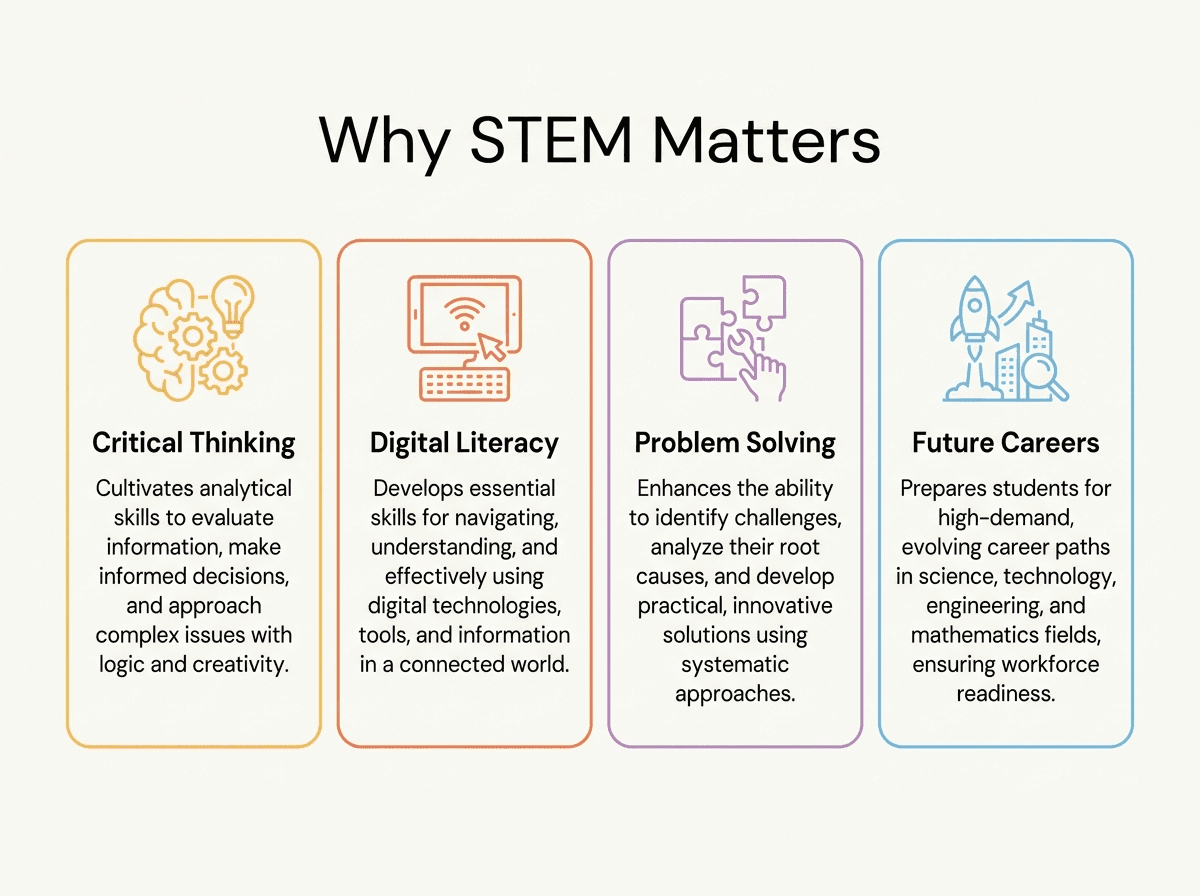
STEM education fosters critical thinking and problem-solving skills essential for future challenges.
Integrating technology in STEM education promotes digital literacy and real-world application of knowledge.
STEM education aligns with industry needs, preparing students for high-demand careers in various fields.
Innovative teaching strategies in STEM education, such as hands-on learning and simulations, enhance student engagement and understanding.
Early exposure to STEM education builds a strong foundation, encouraging lifelong learning and curiosity.
The Role of STEM Education in Future Readiness
STEM education plays a crucial role in equipping students with the knowledge, skills, and critical thinking abilities necessary to address the challenges of the future. STEM education future readiness is essential for students’ future success, as it prepares them to thrive in a rapidly changing job market and contribute positively to society.
Integrating Technology in STEM Education
Utilizing Cutting-Edge Tools
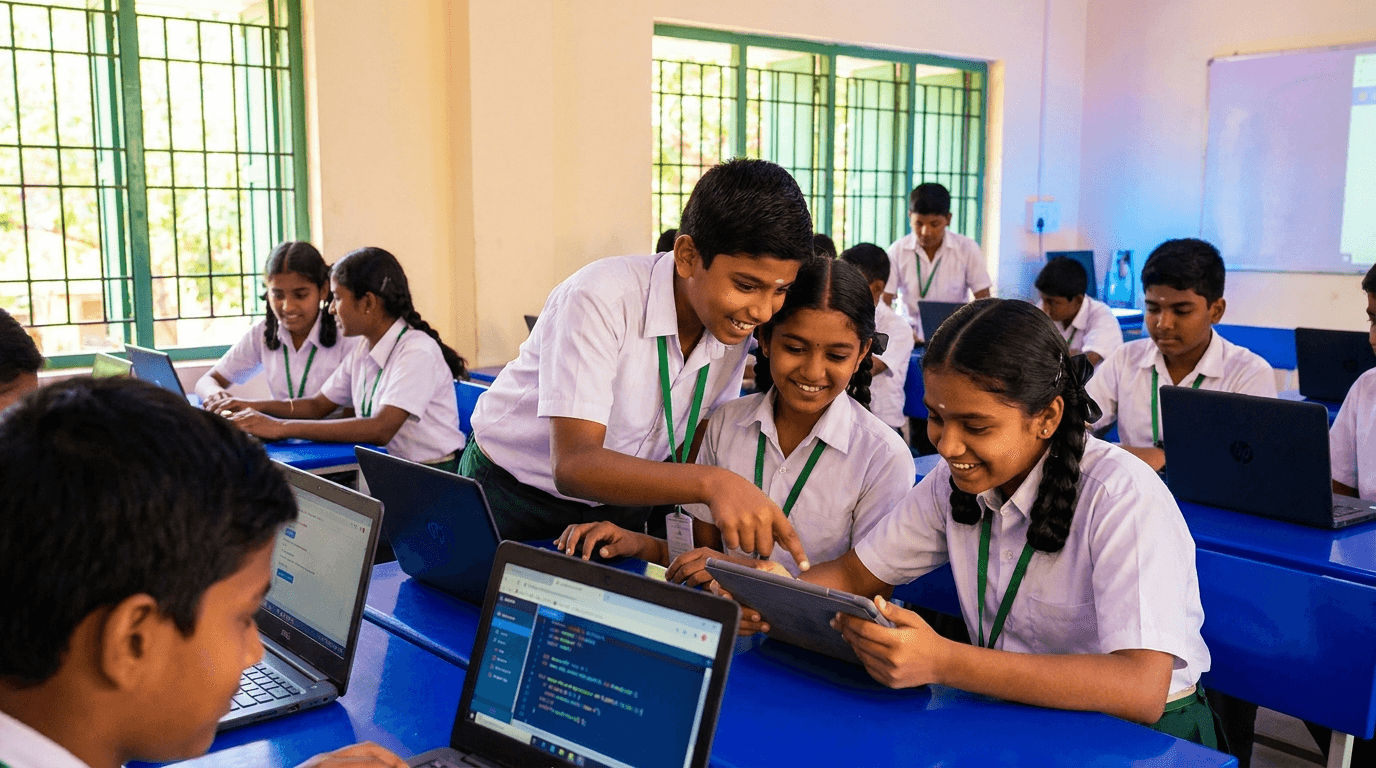
Integrating technology into STEM education can enhance learning experiences and prepare students for the digital age. Schools can invest in resources such as virtual reality, augmented reality, and online learning platforms to provide immersive and interactive STEM experiences. Embracing emerging technologies can also expose students to the skills and tools they will encounter in future STEM careers.
Incorporating Real-World Applications
STEM education plays a pivotal role in equipping students with the essential tech skills needed to thrive in this technology-driven future. By incorporating hands-on learning, simulations, real-world applications, and problem-solving experiences, STEM education exposes students to cutting-edge technologies. It fosters their understanding of how these tools can be applied across various fields. As a result, students develop digital literacy, data analysis skills, and adaptability that are crucial for future job opportunities in emerging fields.
Promoting Digital Literacy
Technological advancements are shaping every aspect of our lives, revolutionizing industries and creating new opportunities. STEM education equips students with the skills to understand and contribute to this innovation. By fostering critical thinking, problem-solving, and creativity, STEM education nurtures a mindset that encourages students to develop innovative solutions to complex challenges. This ability to drive technological innovation is crucial for future job opportunities in emerging fields.
Real-world STEM applications are essential for students to connect theoretical knowledge with practical skills, ensuring they are well-prepared for the demands of the modern workforce.
Preparing Students for High-Demand STEM Careers
Understanding Industry Needs
To ensure students are ready for the future success with STEM, it is crucial to understand the evolving needs of various industries. This involves staying updated with the latest trends and demands in STEM fields, which are projected to grow by at least 8.8% over the next several years. Schools and educators must align their curricula with these industry requirements to provide relevant and practical knowledge.
Developing Relevant Skill Sets
Preparing students with STEM education means equipping them with the necessary skills to thrive in their future careers. This includes not only technical skills but also soft skills such as communication, collaboration, and critical thinking. By fostering these abilities, students can better adapt to the dynamic nature of STEM careers.
Connecting with Professional Opportunities
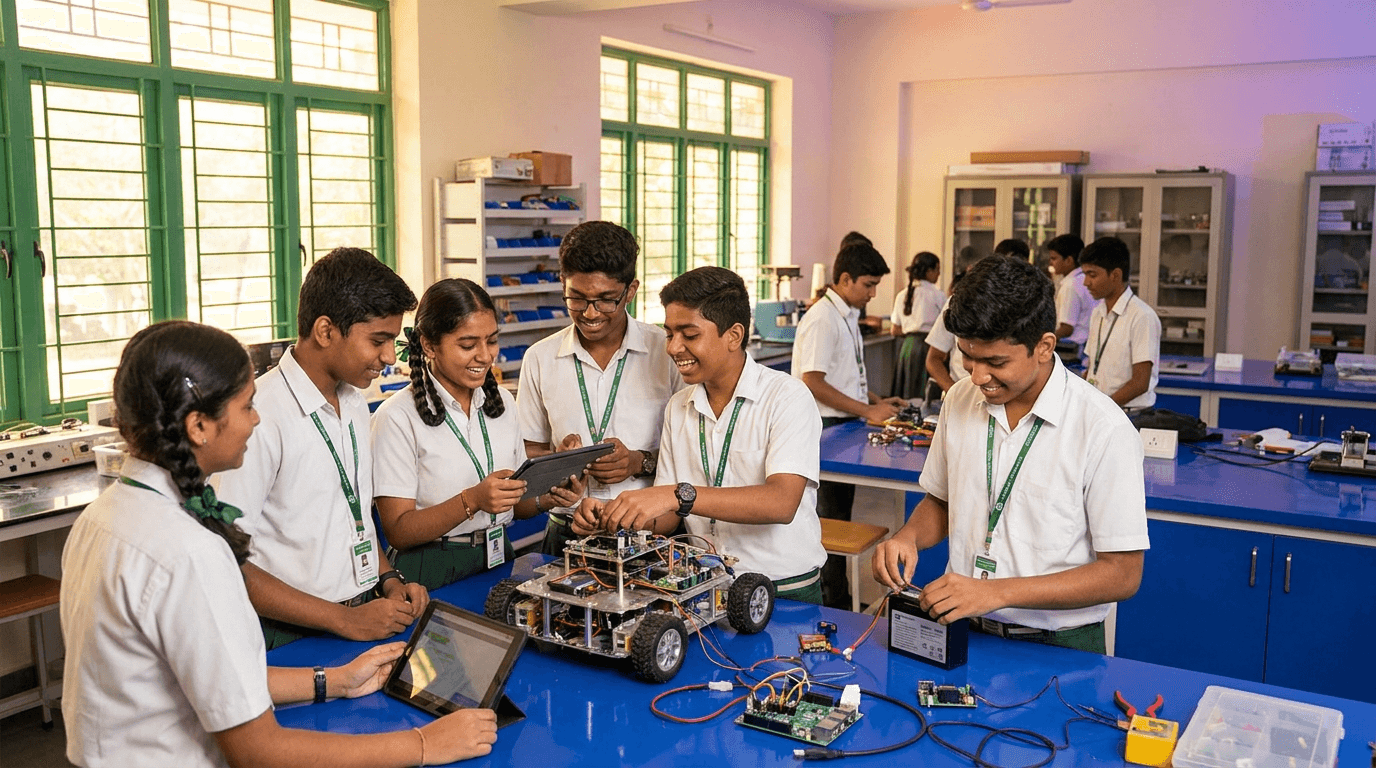
Future-focused STEM programs should actively connect students with professional opportunities. This can be achieved through internships, mentorships, and partnerships with local colleges and universities. Such experiences are invaluable in providing real-world exposure and helping students build a network within their chosen field.
The future is bright for STEM-related careers. By encouraging exploration and nurturing independent thinking, educators can help students learn how to solve real-world problems and apply information effectively.
By focusing on these areas, educators can ensure that students are well-prepared for the high-demand careers of the future.
The Impact of STEM Education on Personal Development
STEM education instills a passion for continuous learning. By engaging with dynamic and evolving fields, students develop a mindset geared towards lifelong learning. This adaptability is crucial in a world where technology and knowledge are constantly advancing.
Through hands-on projects and problem-solving activities, students gain confidence in their abilities. They learn to view challenges as opportunities for growth, fostering resilience. This confidence is not only beneficial in academic settings but also in personal and professional contexts
STEM education often involves collaborative projects that require teamwork. Students learn to communicate effectively, share responsibilities, and leverage each other’s strengths. These experiences are invaluable in preparing them for future professional environments where collaboration is key.
STEM programs can foster STEM identity, belonging, and future-resilient skills among young innovators passionate about making an impact in their community.

Innovative Teaching Strategies in STEM Education
Hands-on learning is a cornerstone of effective STEM education. By engaging students in practical activities, they can better understand complex concepts and develop critical thinking skills. This approach not only makes learning more enjoyable but also enhances retention and application of knowledge. For instance, students might build models, conduct experiments, or participate in coding projects, all of which provide tangible experiences that reinforce theoretical learning.
Simulation and models are powerful tools in STEM education. They allow students to visualize and manipulate variables in a controlled environment, making abstract concepts more accessible. For example, using computer simulations to model chemical reactions or physical phenomena can help students grasp difficult topics more easily. This method also encourages experimentation and exploration, fostering a deeper understanding of the subject matter.
The flipped classroom model is an innovative strategy that reverses traditional teaching methods. In this approach, students are introduced to new content at home through videos or reading materials and then apply what they’ve learned in the classroom through interactive activities. This model promotes active learning and allows teachers to provide more personalized support. By leveraging technology, the flipped classroom can make STEM education more dynamic and engaging, preparing students for future innovation.
Embracing innovative teaching strategies in STEM education opens up numerous opportunities for students to explore and excel in their fields. By integrating hands-on learning, simulations, and flipped classrooms, educators can create a more interactive and effective learning environment.
Addressing Global Challenges Through STEM Education
Sustainable Development Goals
STEM education is vital in addressing global challenges such as climate change, healthcare, and sustainable development. The world needs individuals who can apply scientific knowledge and engineering principles to find innovative solutions to these complex issues. By fostering a deep understanding of STEM disciplines, education equips students to make meaningful contributions to society and create a sustainable future.
Climate Change and Environmental Stewardship
Increasing access to STEM education can help bridge these gaps. Students learn to use scientific knowledge and technological tools to find solutions that are sustainable, ethical, and beneficial for all. This not only helps in tackling climate change but also promotes environmental stewardship.
Health and Medical Innovations
STEM education contributes to social and economic development by addressing global challenges such as climate change, healthcare, energy, security, and more. It enables students to use scientific knowledge and technological tools to find solutions that are sustainable, ethical, and beneficial for all. It also creates new industries, products, and services that generate value and improve quality of life.
By equipping students with the necessary STEM skills and knowledge, we can prepare them for a rapidly changing job market, promote technological advancements, future-proof their careers, address global challenges, and foster diversity and inclusion.

The Importance of Early STEM Education
Engaging Young Learners
Early STEM education is crucial in capturing the interest of young learners. By introducing STEM concepts at a young age, educators can foster a natural curiosity and enthusiasm for learning. This early engagement helps in developing a strong foundation in critical thinking and problem-solving skills, which are essential for future academic and career success.
Creating a Strong Foundation
A robust early STEM curriculum provides students with the necessary tools to excel in more advanced subjects later in their educational journey. The benefits of STEM education at this stage include improved cognitive abilities, better understanding of scientific principles, and enhanced mathematical skills. Schools like the National Centre for Excellence emphasize the importance of a well-rounded STEM education to prepare students for future challenges.
Encouraging Exploration and Curiosity
Encouraging exploration and curiosity in young learners is one of the key advantages of early STEM education. By providing hands-on learning experiences and real-world applications, students can see the relevance of STEM in their everyday lives. This approach not only makes learning more enjoyable but also instills a lifelong love for science, technology, engineering, and mathematics.
Early STEM education is not just about learning facts; it’s about developing a mindset that embraces inquiry, innovation, and continuous improvement.
STEM education advantages are numerous, and starting early ensures that students gain the skills needed to thrive in a rapidly changing world. The importance of STEM education cannot be overstated, as it lays the groundwork for future success in both personal and professional realms.
The importance of early STEM education cannot be overstated. It lays the foundation for critical thinking, creativity, and problem-solving skills that are essential in today’s world. At NCFE, we are committed to providing a robust STEM curriculum that nurtures young minds from the very beginning. Don’t miss the opportunity to give your child a head start in life. Visit our website to learn more and apply now for AY 2026 - 2027.
Conclusion
In conclusion, STEM education is not merely an academic discipline but a critical foundation for the future. By integrating science, technology, engineering, and mathematics into the curriculum, we are equipping students with the essential skills needed to navigate and excel in a rapidly evolving world. The holistic approach of STEM education fosters critical thinking, problem-solving abilities, and hands-on learning experiences, preparing students for high-demand careers and enabling them to contribute meaningfully to society. As educators, policymakers, and stakeholders, it is imperative to recognize the significance of STEM education and invest in its development to ensure that our students are well-prepared to meet the challenges and opportunities of the future.
Frequently Asked Questions
What is STEM education?
STEM education is an interdisciplinary approach to learning that integrates science, technology, engineering, and mathematics. It emphasizes hands-on learning, critical thinking, and real-world problem-solving.
Why is STEM education important for the future?
STEM education is crucial for preparing students for high-demand careers, fostering innovation, and equipping them with the skills needed to address global challenges such as climate change, health, and technological advancements.
How does STEM education enhance critical thinking skills?
STEM education encourages students to analyze problems, evaluate evidence, and develop logical solutions. This process helps build critical thinking skills that are essential for academic and professional success.
What role does technology play in STEM education?
Technology is integral to STEM education as it provides students with access to cutting-edge tools and resources. It enables hands-on learning experiences and helps students understand and apply technological innovations in various fields.
How can students prepare for STEM careers?
Students can prepare for STEM careers by developing relevant skill sets, understanding industry needs, and connecting with professional opportunities through internships, mentorships, and networking.
What are some innovative teaching strategies in STEM education?
Innovative teaching strategies in STEM education include hands-on learning, using simulations and models, and adopting flipped classroom techniques. These methods engage students actively and enhance their understanding of complex concepts.